Fuse X1 ecosystem

8 month
Industrial SLS 3D Printing System
Timeline
Sep 2025 - April 2026
Tools
Onshape, Rhino 3D, Keyshot, Figma, Gemini Pro
Project Overview
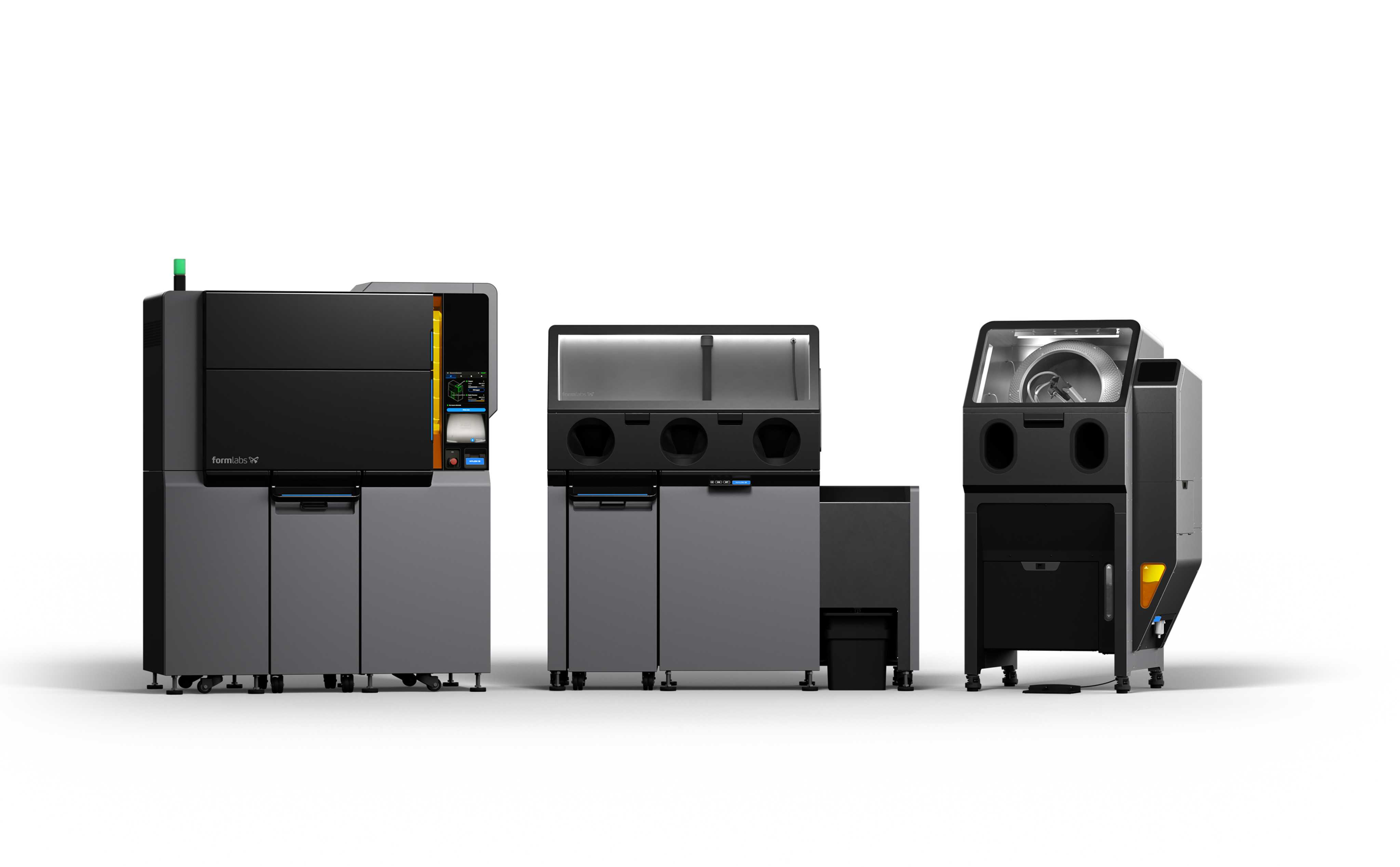
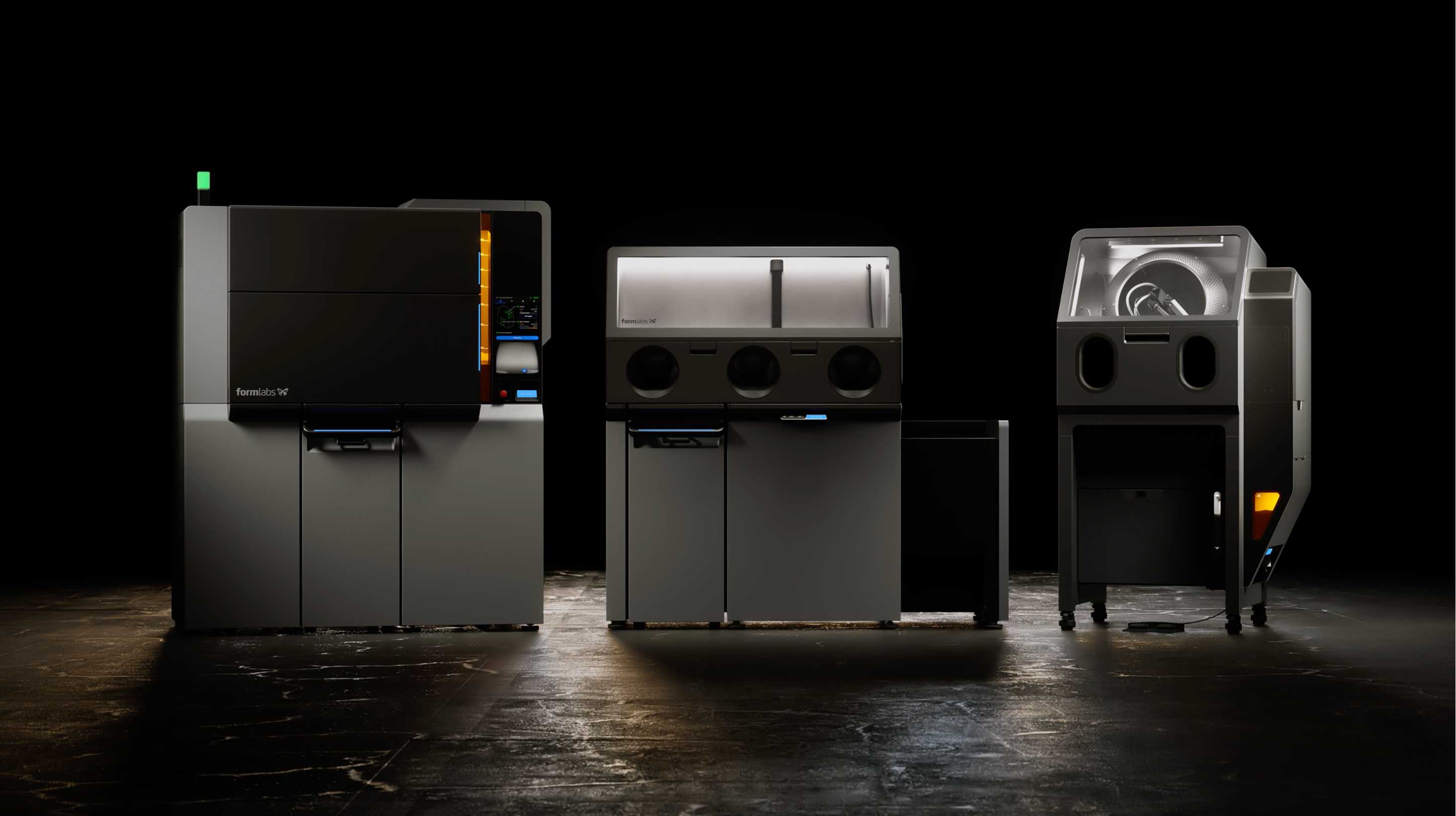
Fuse X1 and Sift X1 are industrial SLS printing systems developed as part of Formlabs’ next-generation lineup, released in Q4 2026.
My Contributions
Led the internal & external design of the Fuse Sift X1, including interactive interfaces. Additionally, managed the development of key components for the Fuse X1.
fuse x1 & sift x1

Project Scope

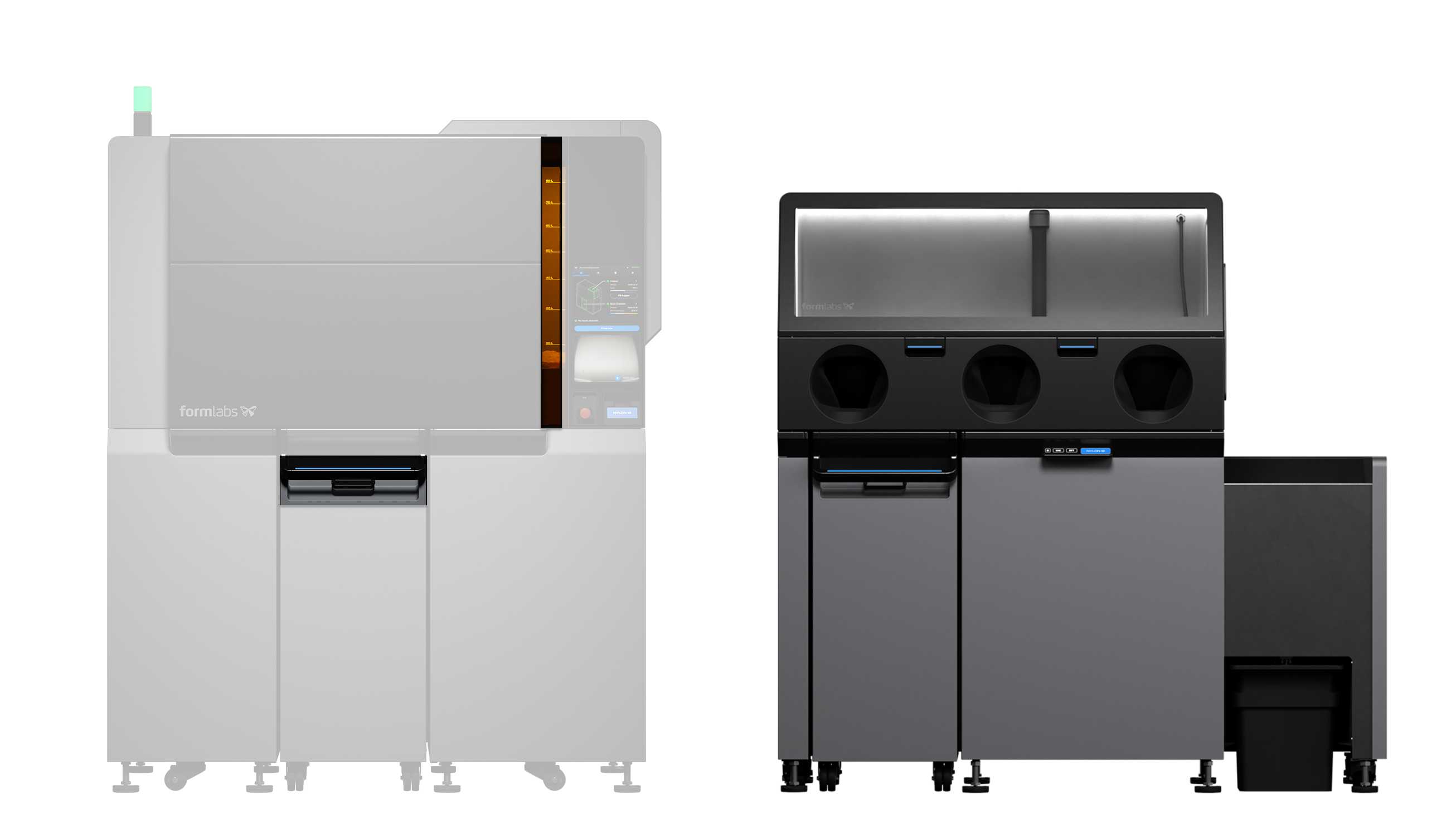
For Fuse X1, I designed the hopper window and Build Chamber (BC) latch interface.
For Fuse SIFT X1, I led the industrial design of all interior and exterior user-facing components.
* Highlighted areas indicate my design scope.
Fuse X1 - hopper Window

Hopper Window Visibility Improvement

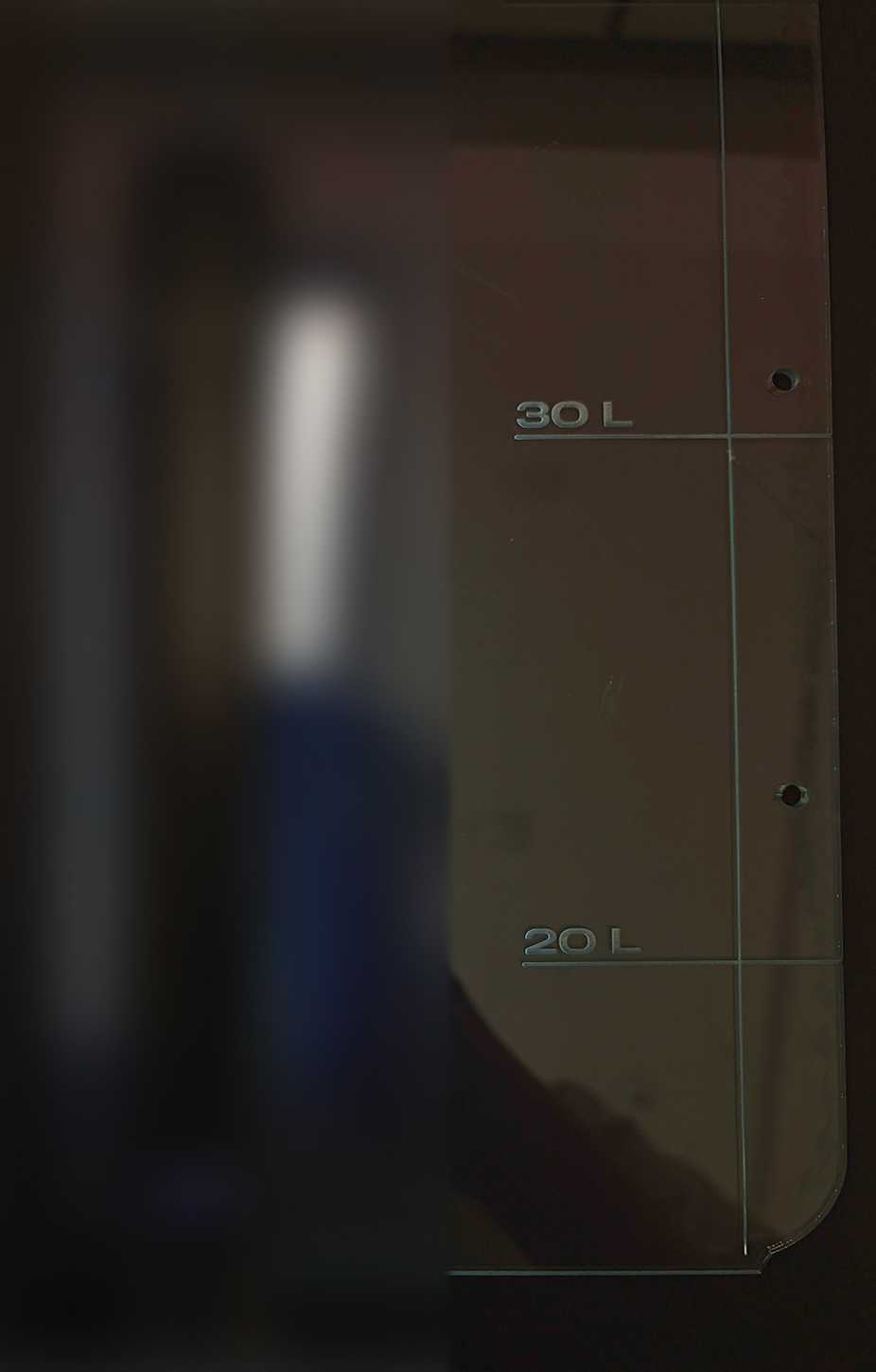
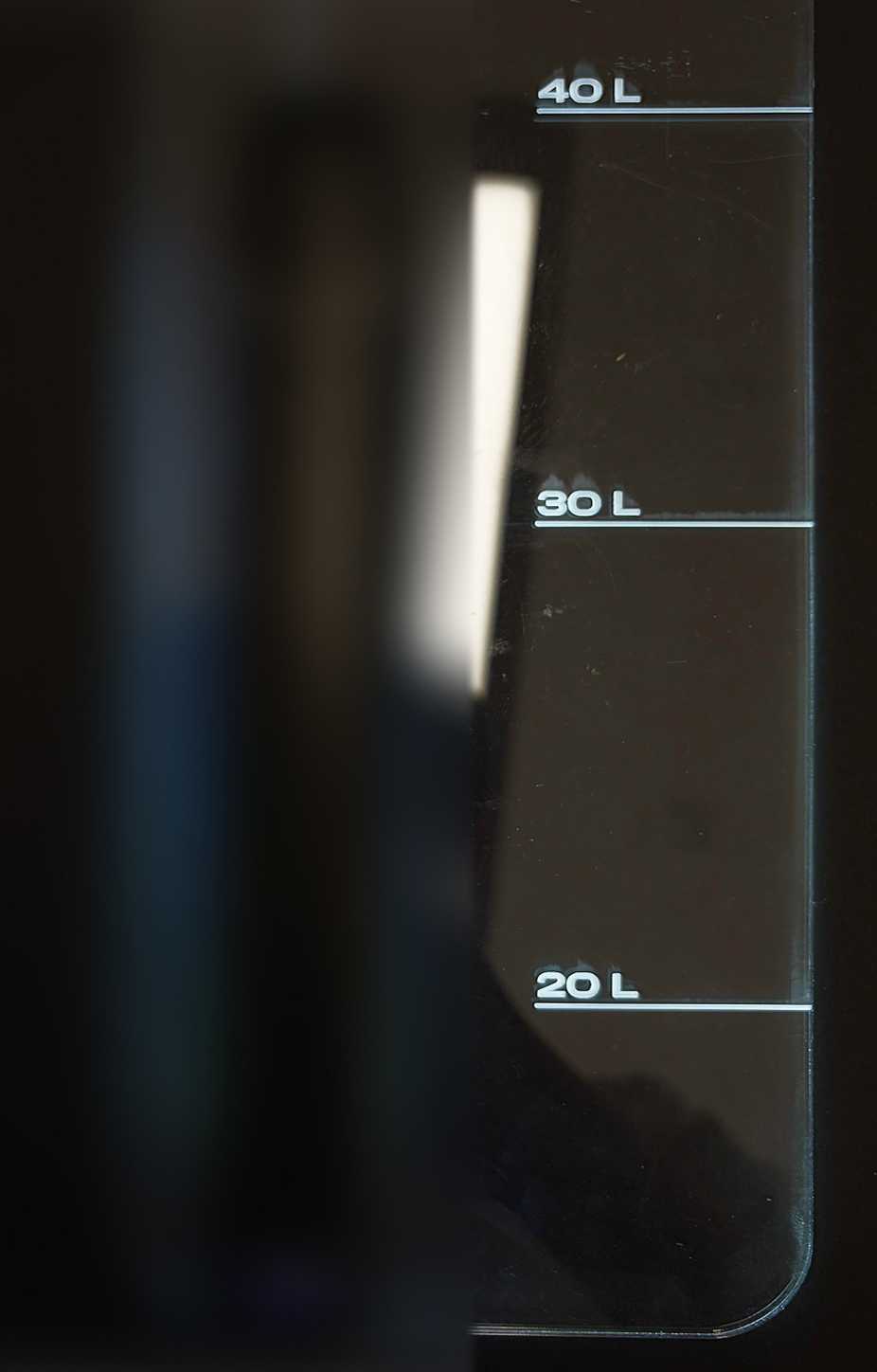
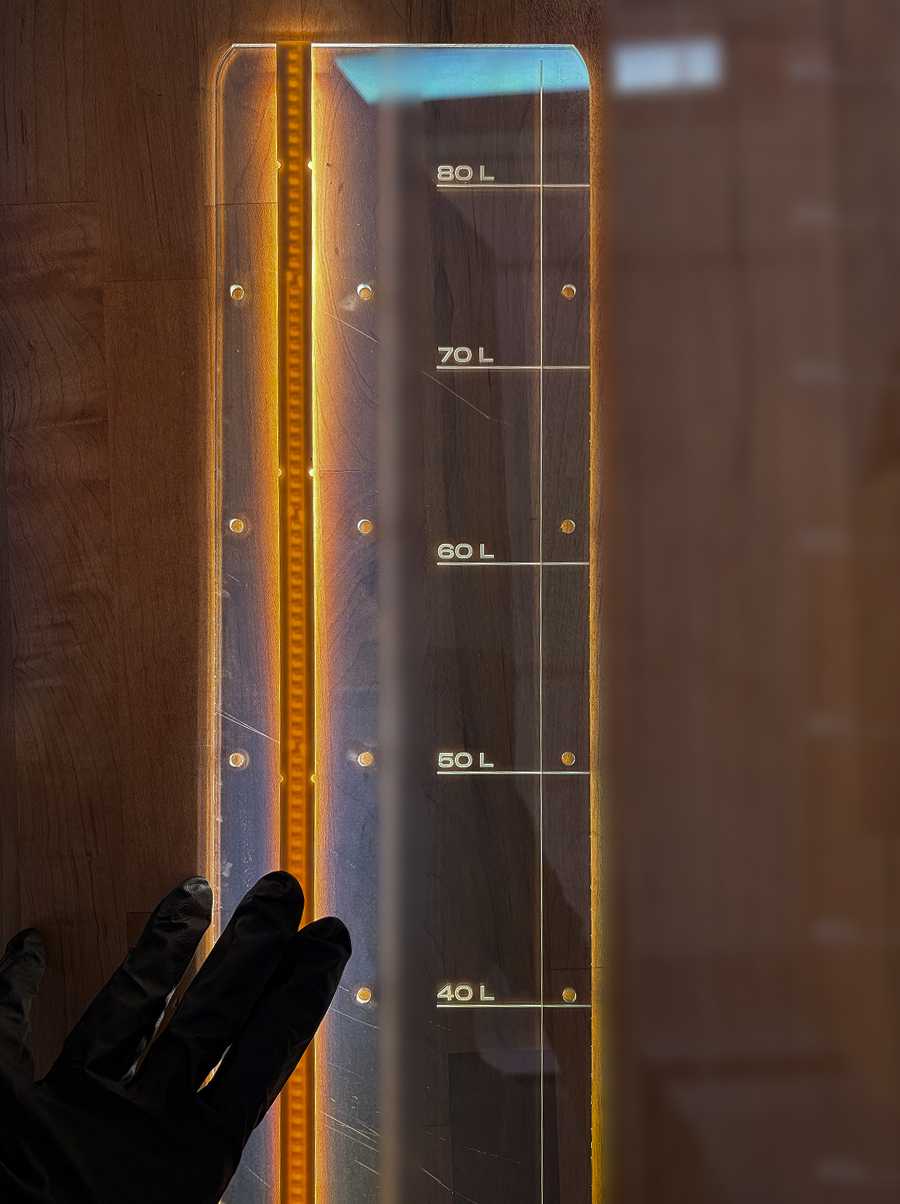
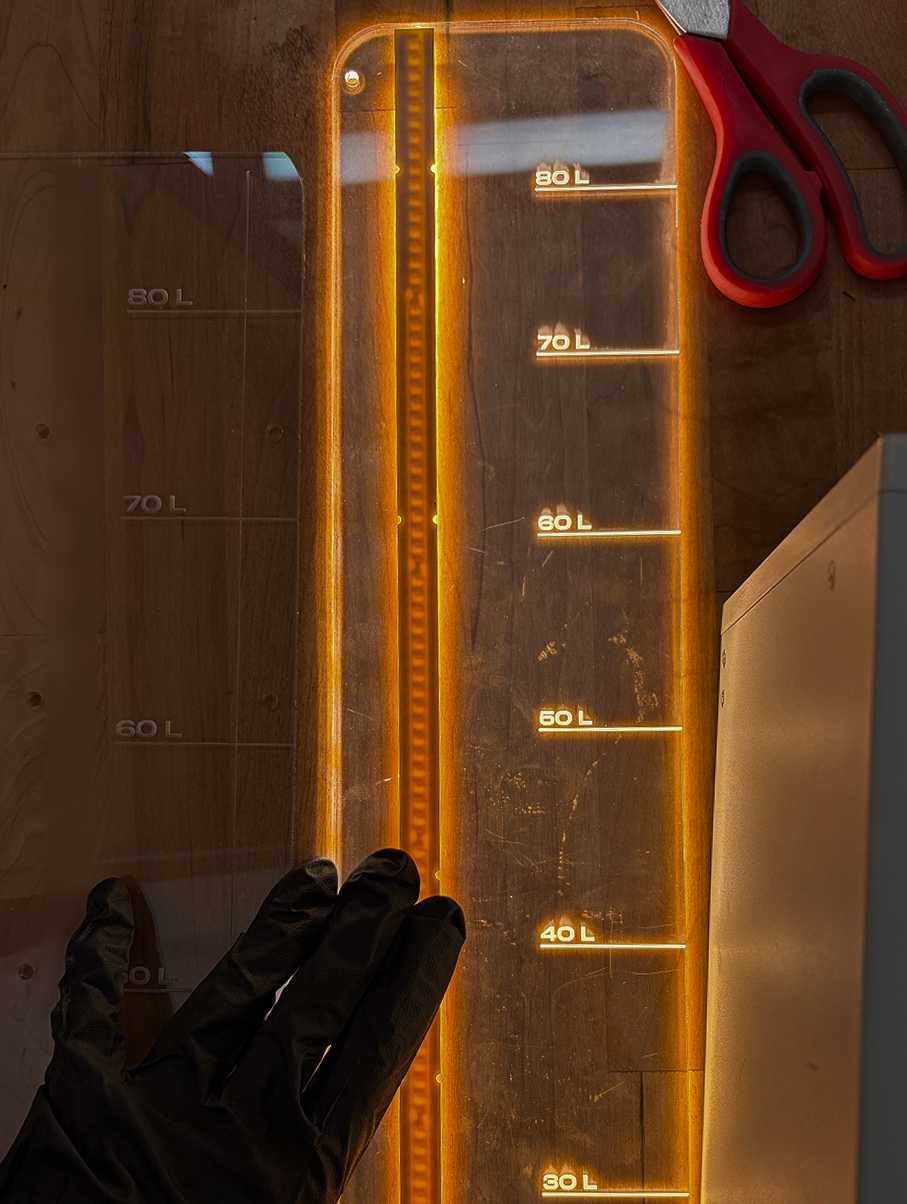
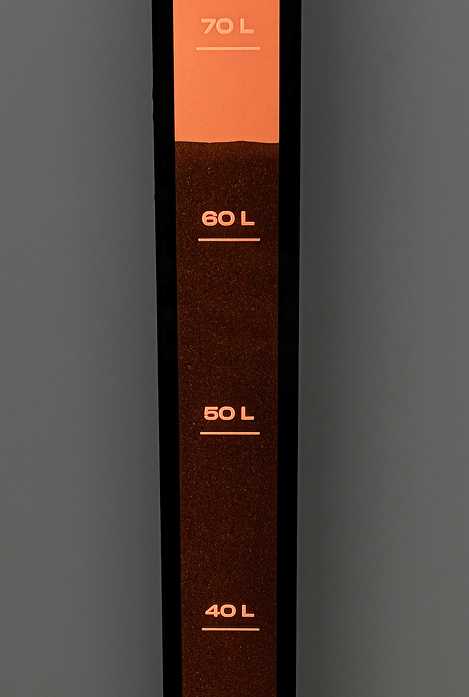
I developed an optical pattern that manipulated light diffusion and brightness to create illuminated volume markings while simultaneously illuminating the hopper interior with a single LED source.

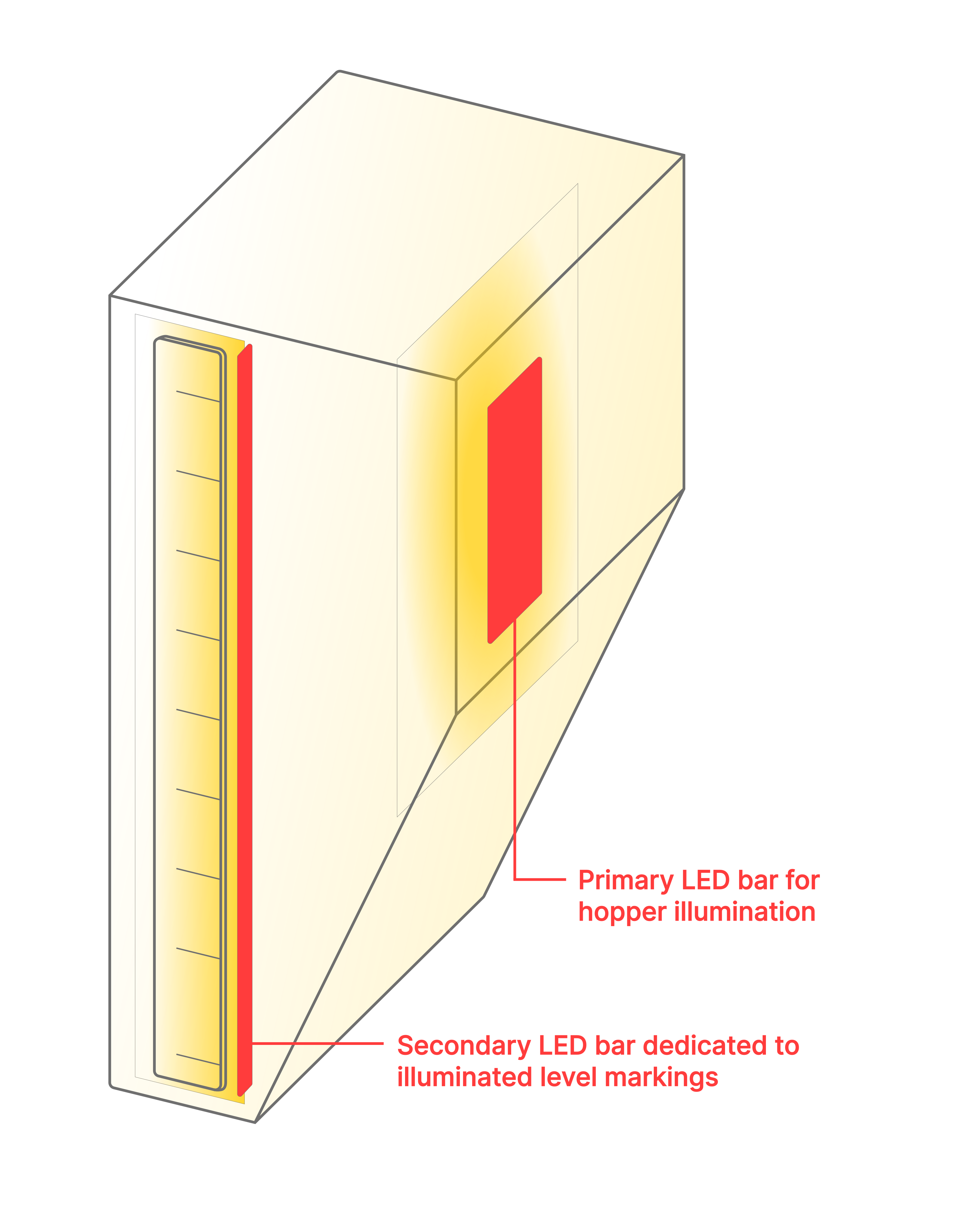
Initial approach

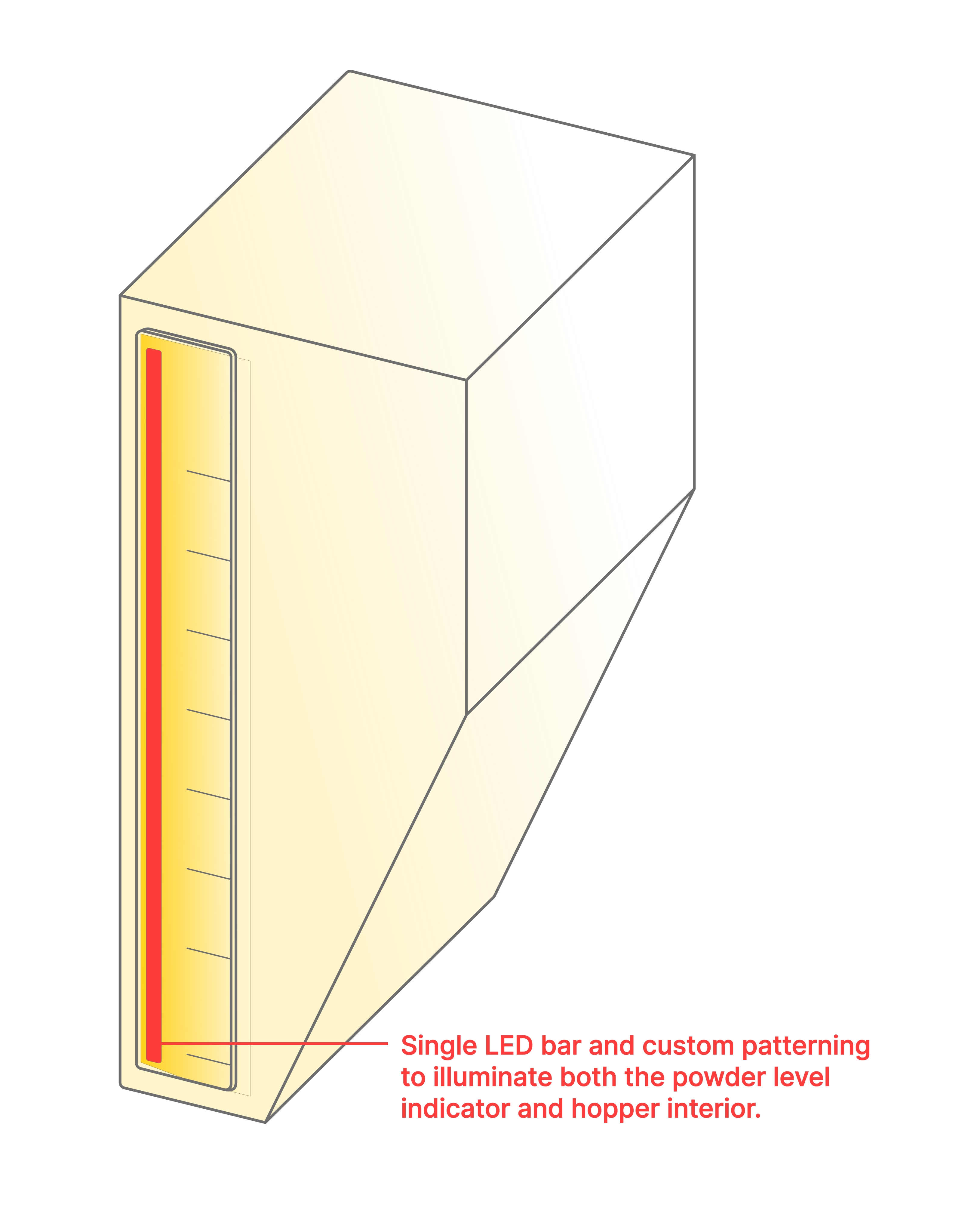
Optimized Solution

Challenge & Opportunity
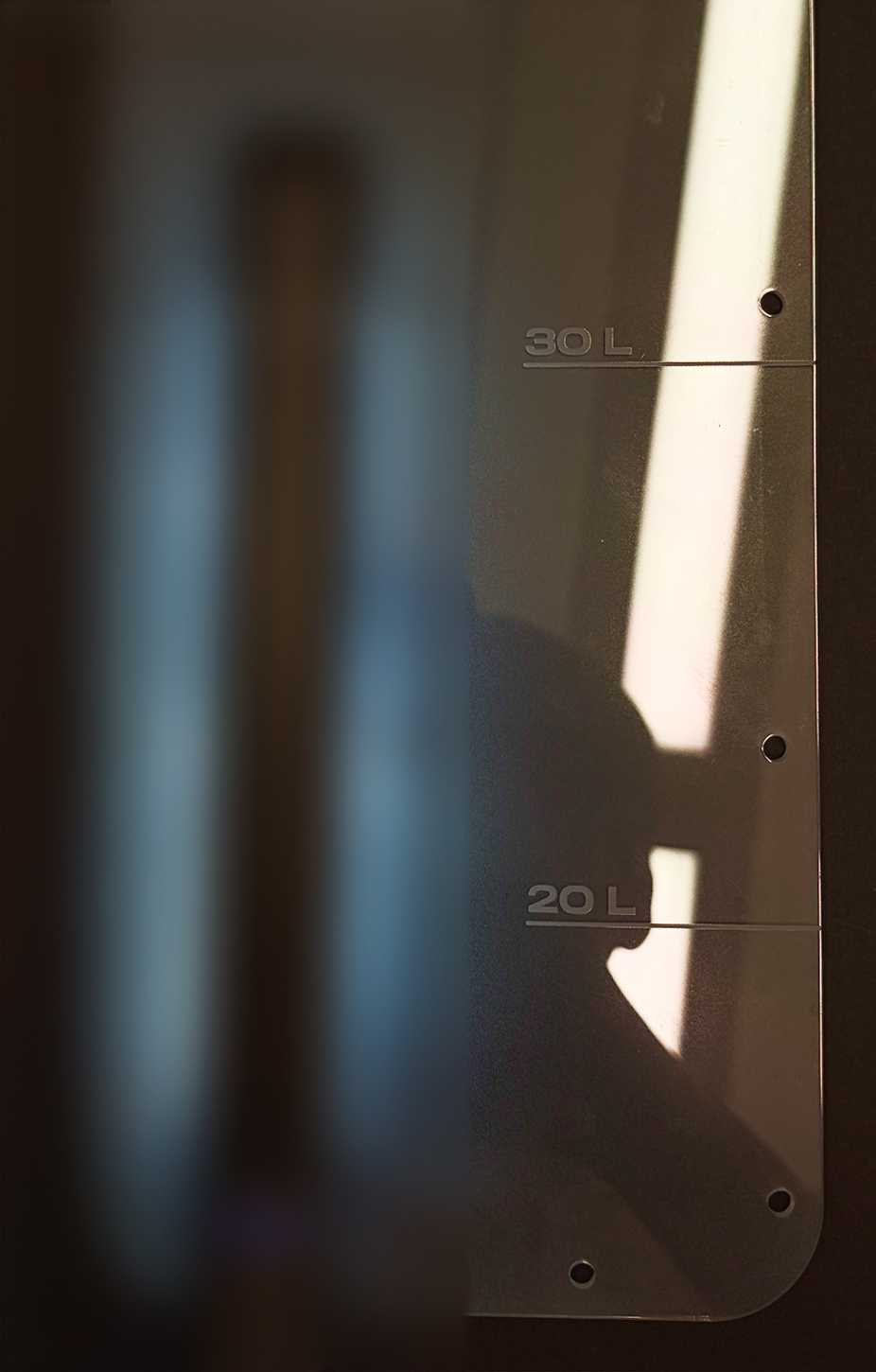
Conventional edge-lighting required a dedicated LED for illuminated markings, adding complexity and sealing challenges. I developed an optical pattern that redirects light from the existing hopper LED, enabling both hopper illumination and measurement visibility with a single light source.

Pattern A

Light diffused broadly but did not effectively reach the edge.

Pattern B

Light reached the edge, but the intensity was insufficient.

Pattern C

Refined geometry improved light propagation and achieved the edge-lighting effect.

Pattern B-1

Applied actual lighting to Pattern B to test brightness and light diffusion.

Pattern C-1

Applied actual lighting to Pattern C to test brightness and light diffusion.

Pattern B+C

Combined patterns to achieve an optimal lighting effect.

Light Behavior Exploration

Instead of adding another light source, I developed and optimized unique patterns to create an edge-lighting effect with a single light source, while keeping the structure sealed to contain powder.

Pre-Production Validation

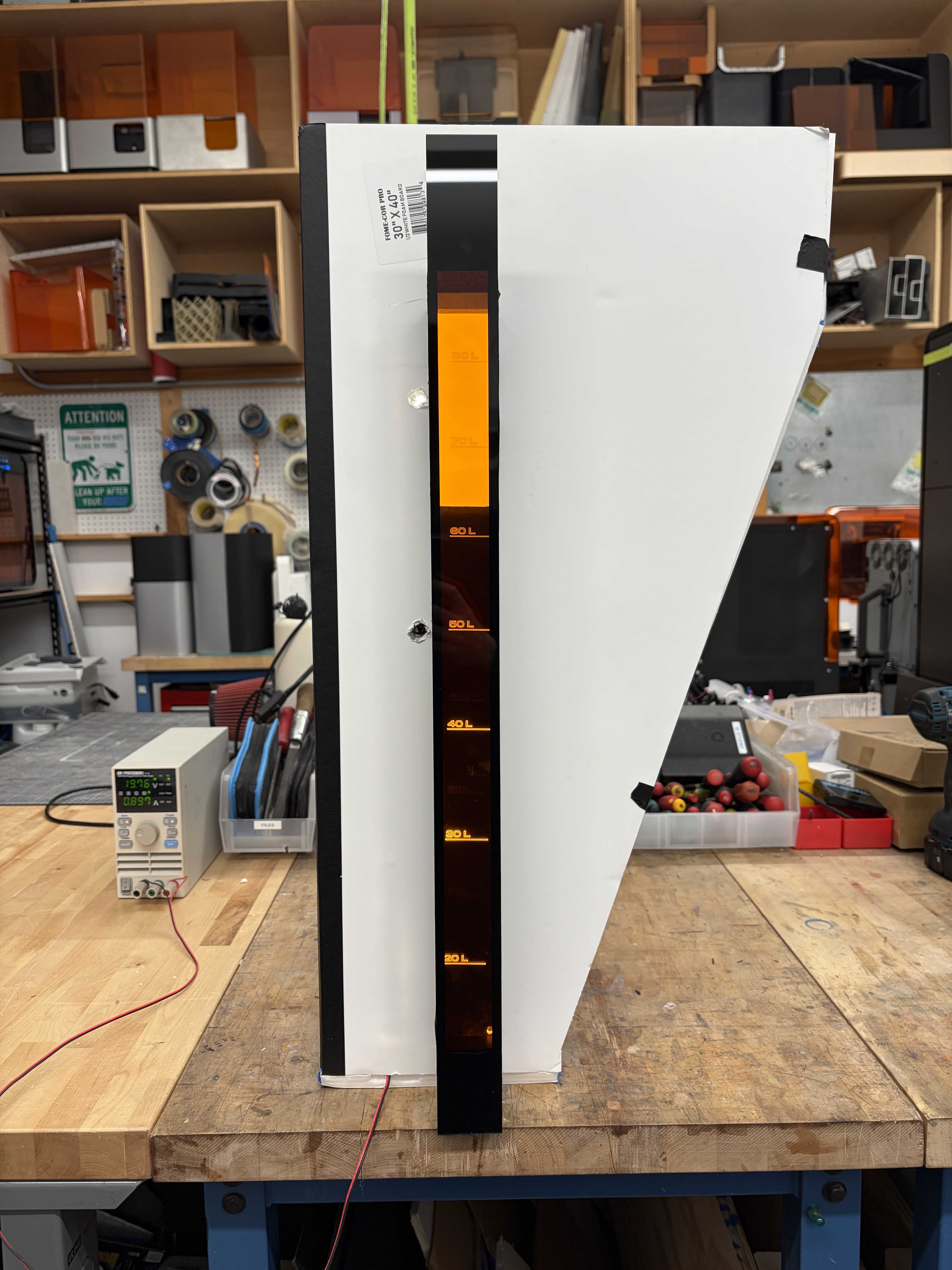
Before production machining, I created a full-scale hopper mockup matching the final design specifications to validate indicator visibility, lighting performance, and material finishes.
Fuse X1 - LAtch

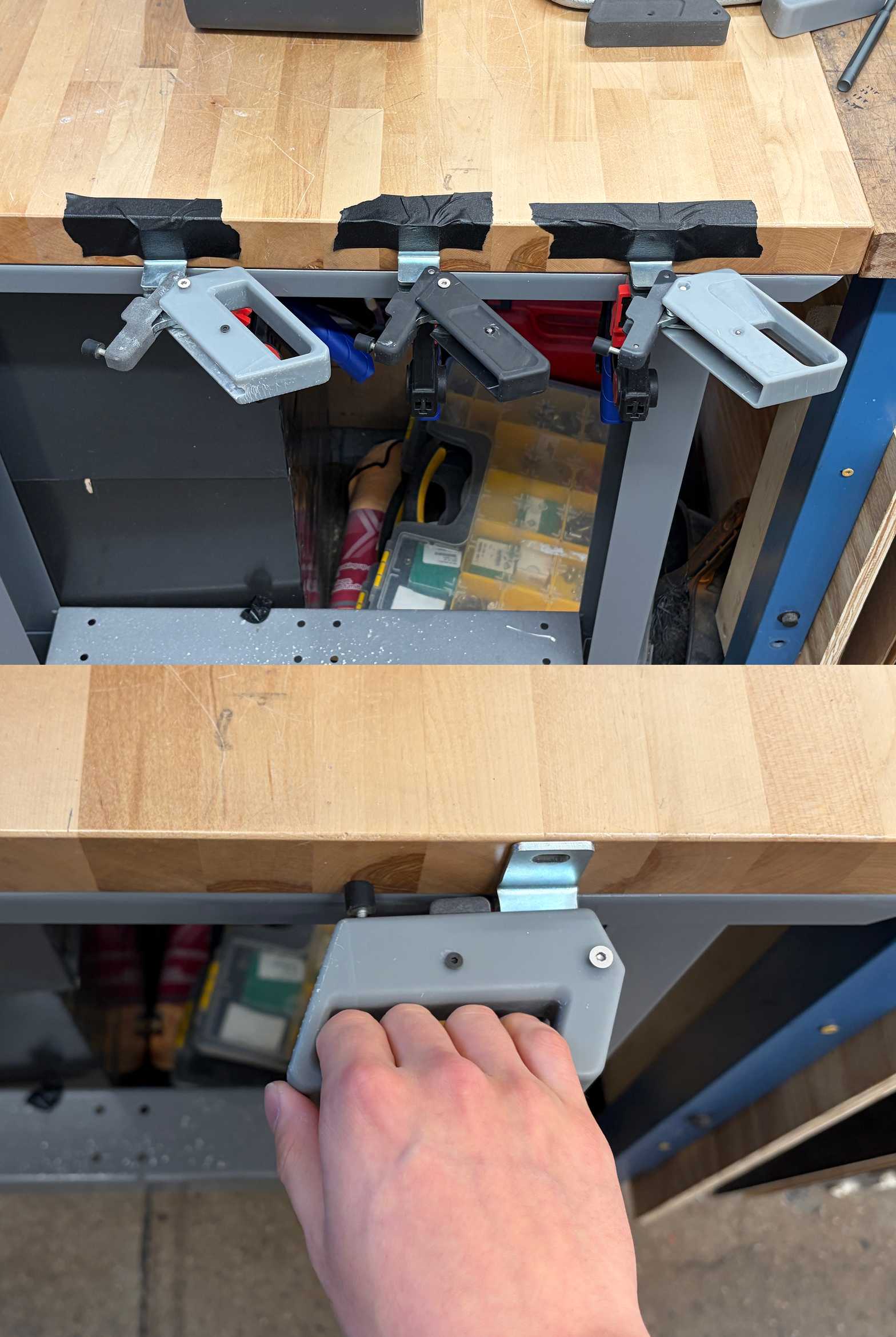
Clamp

V1

+ Familiar mechanism
− Required two-handed operation
− Potential BC interference
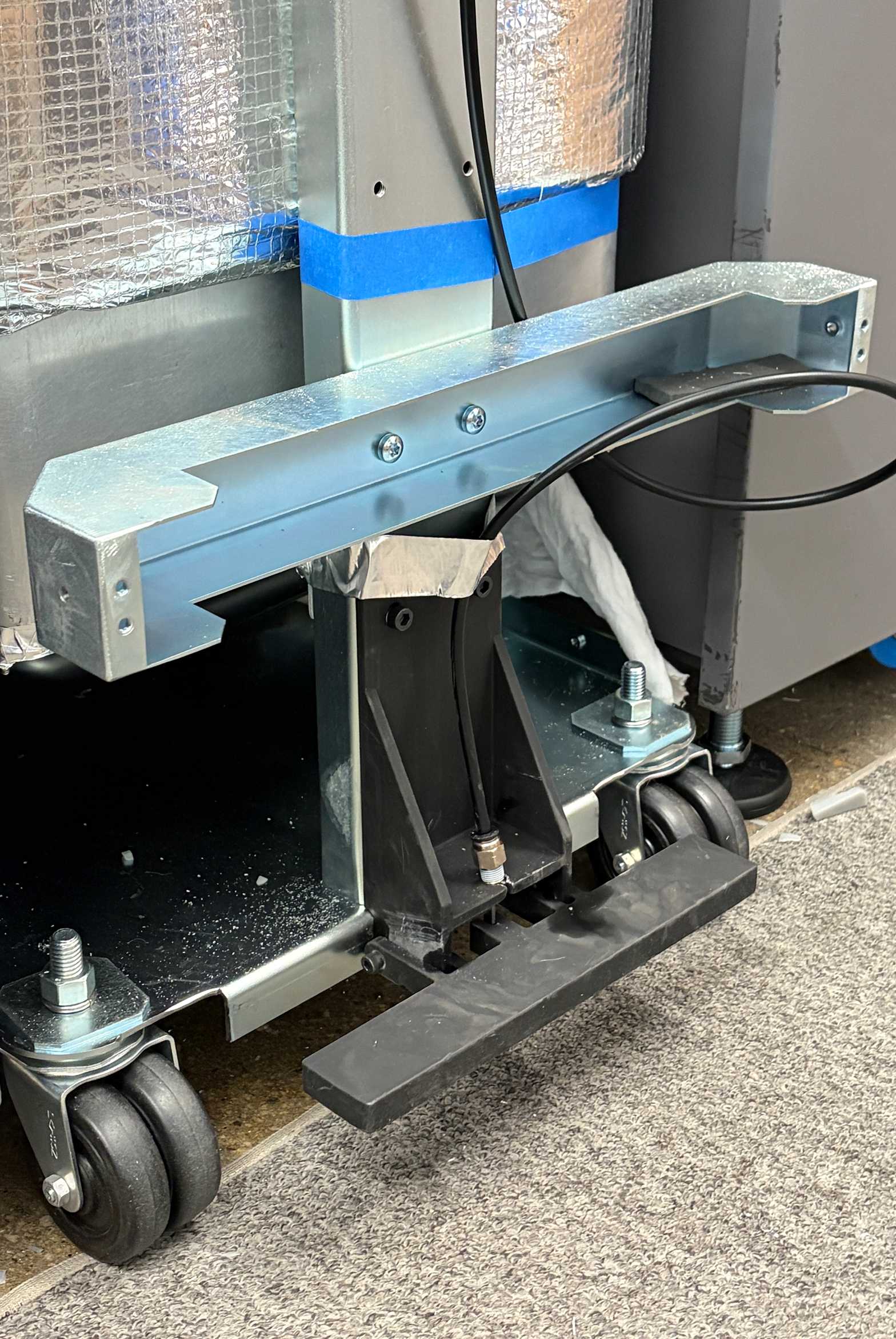
Pedal

V2

+ Freed up both hands during operation
− Increased mechanical complexity
− Introduced stability concerns
Handle

V3

+ Single step interaction
+ Resolved BC interference
+ Improved stability

BC Latch Evolution

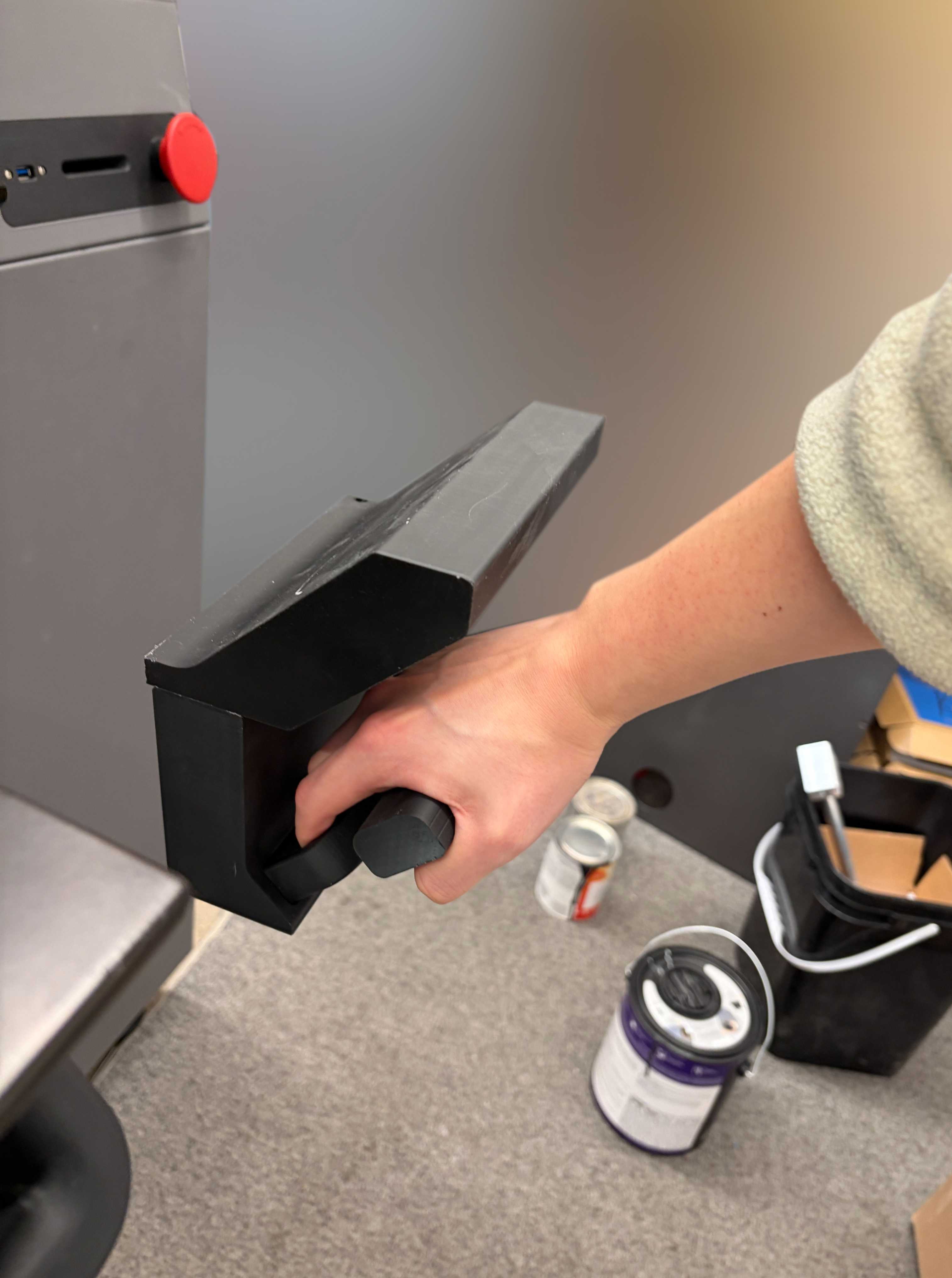
Through iterative prototyping, user testing, and cross-functional feedback, I evolved the BC latch from a standalone clamp to an integrated handle solution that simplified the interaction and reduced system complexity.

V1 Latch Ergonomics Exploration

I explored various latch handle designs within the fixed geometry to balance comfort and product aesthetics, narrowing them down to two final directions.

V1 Latch Mechanism Optimization

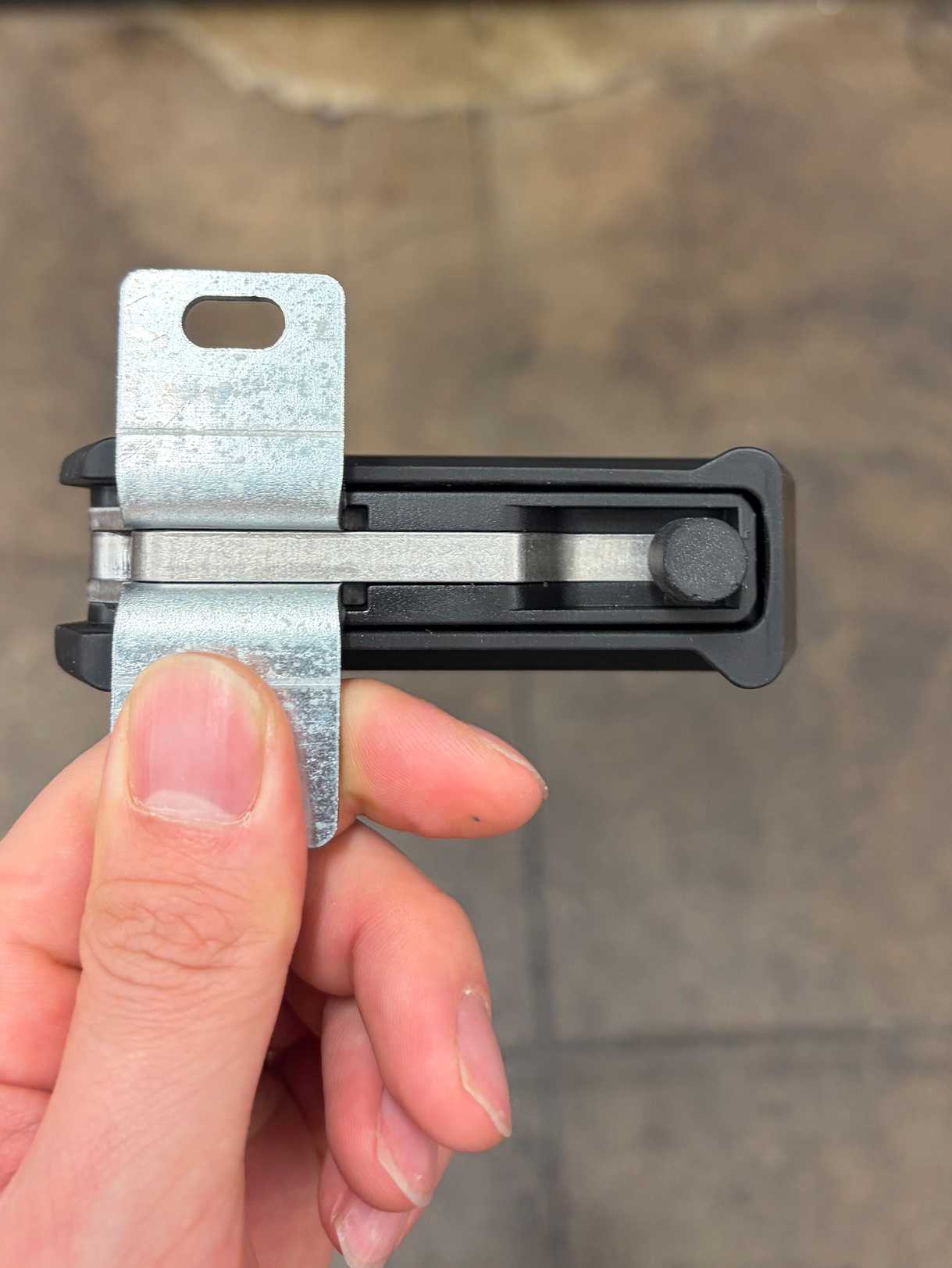
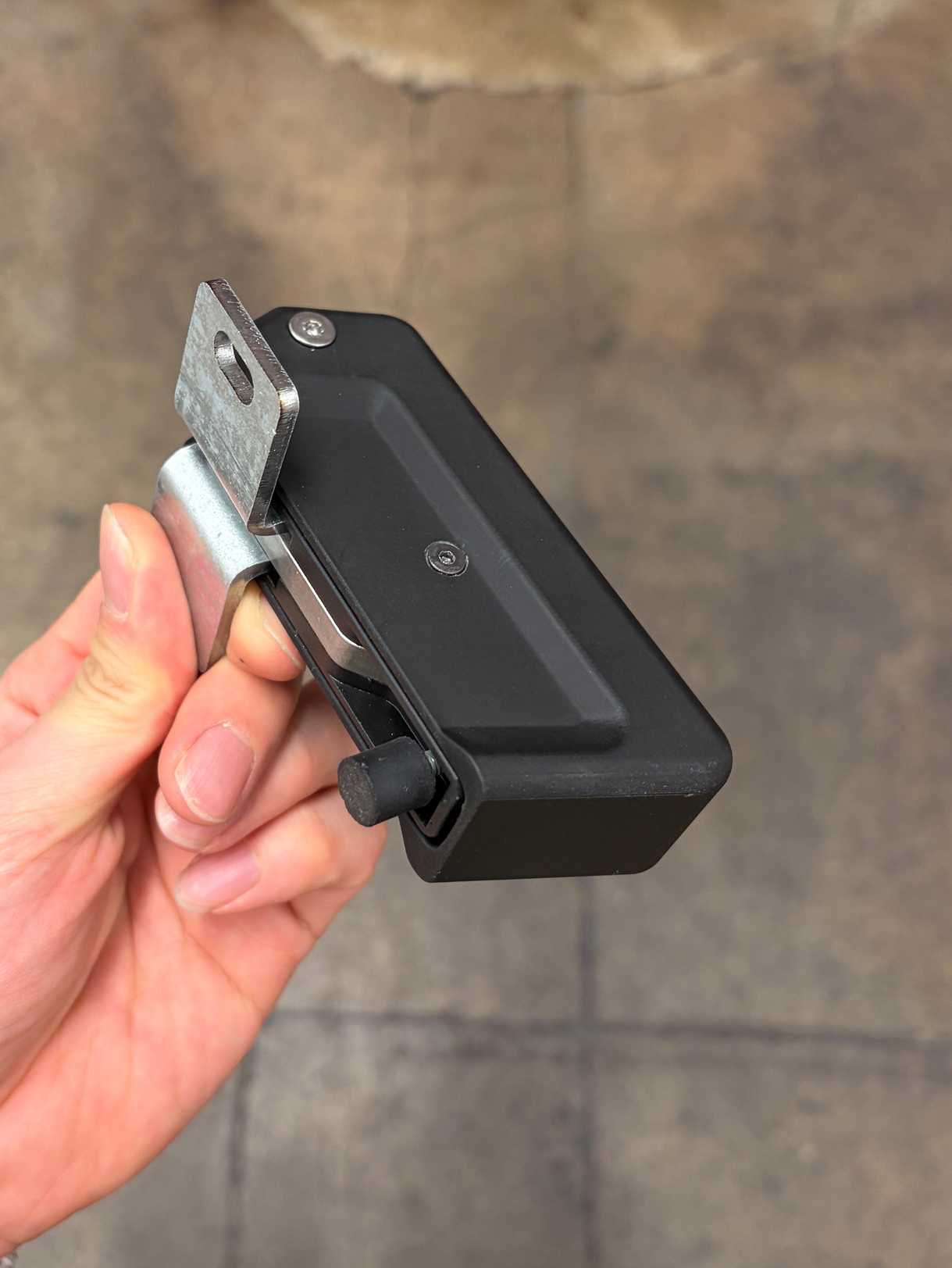
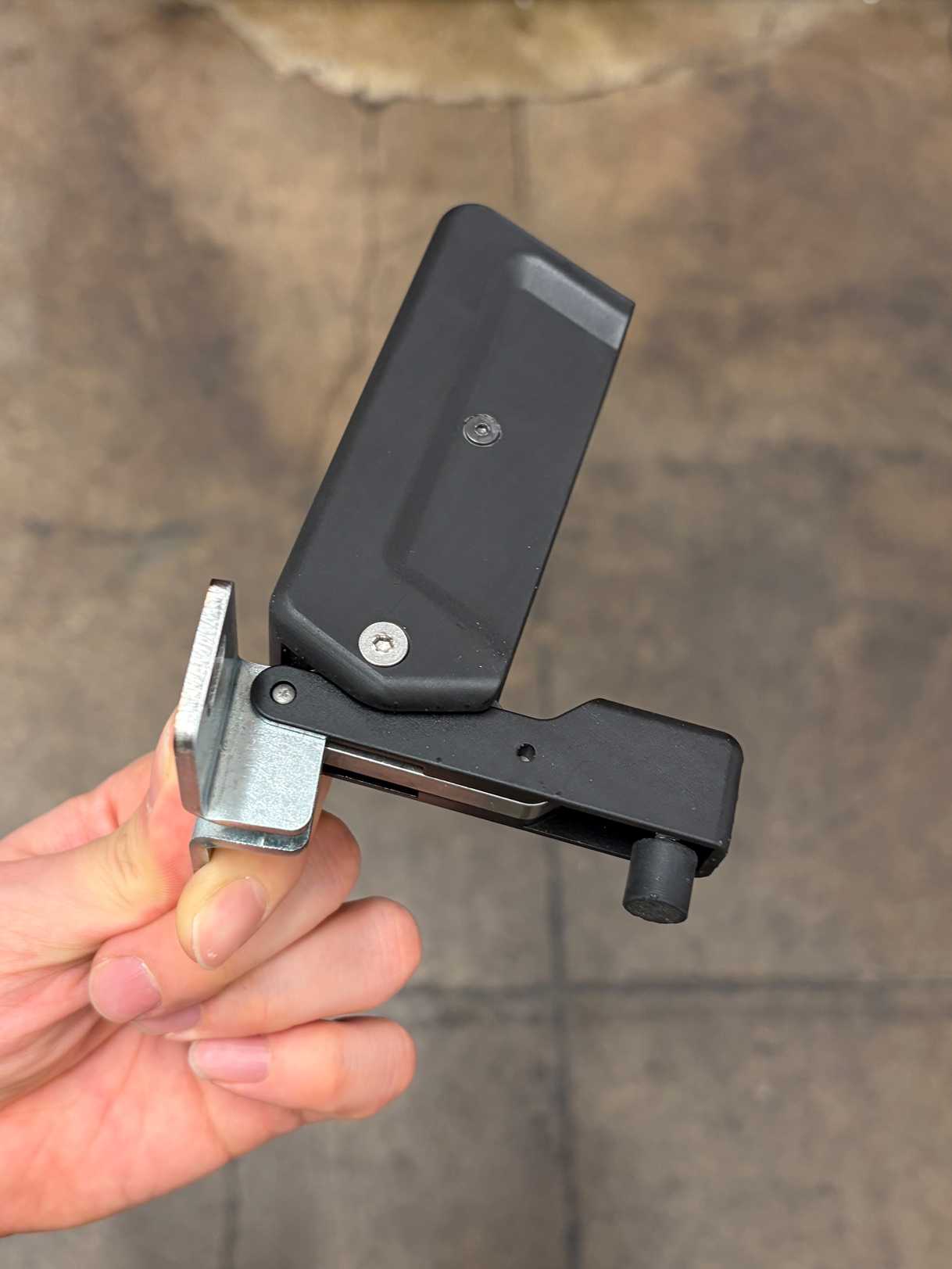
I redesigned the latch mechanism and internal geometry while preserving the functionality of the toggle clamp, increasing the opening range from 60° to 90° and resolving build chamber interference.

V1 Latch Final Prototype

I developed a final latch prototype based on feedback and validated it through installation and testing on the Fuse X1.

V3 Interaction Validation

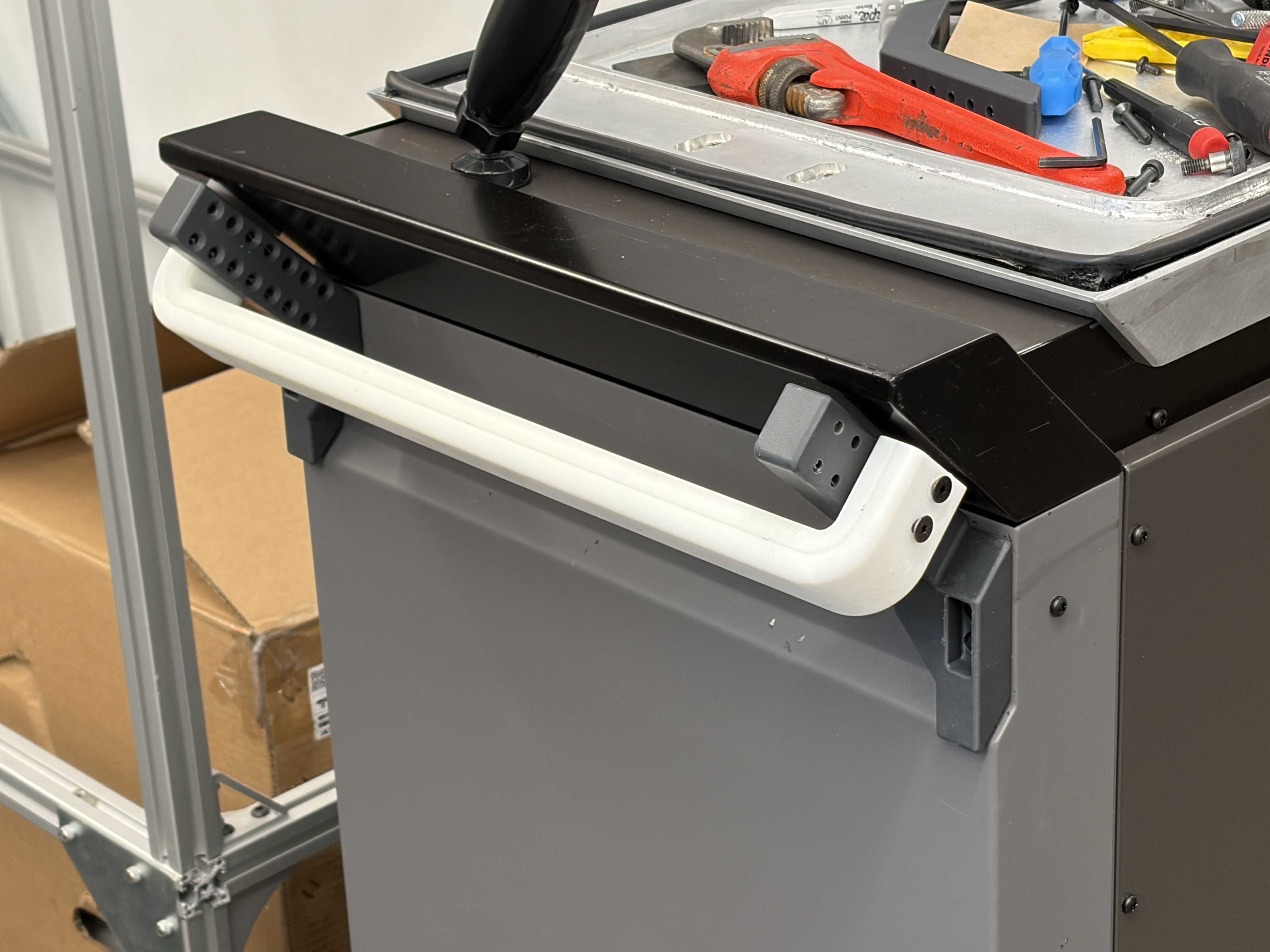
I created a multi-point prototyping jig to evaluate various handle heights and clearances on the Build Chamber. This allowed for rapid evaluation of multiple configurations, helping define the most intuitive user interaction.

Quick Latch Interface

I explored and refined multiple handle concepts, focusing on ergonomics and intuitive interaction. The selected design integrated the latch into the Build Chamber, simplifying the overall user experience.
Sift X1 - EXTERNAL

Shell Design Overview

The shell architecture was designed to extend the Fuse X1 design language across the entire product, creating a cohesive visual identity while integrating functional and manufacturing requirements.

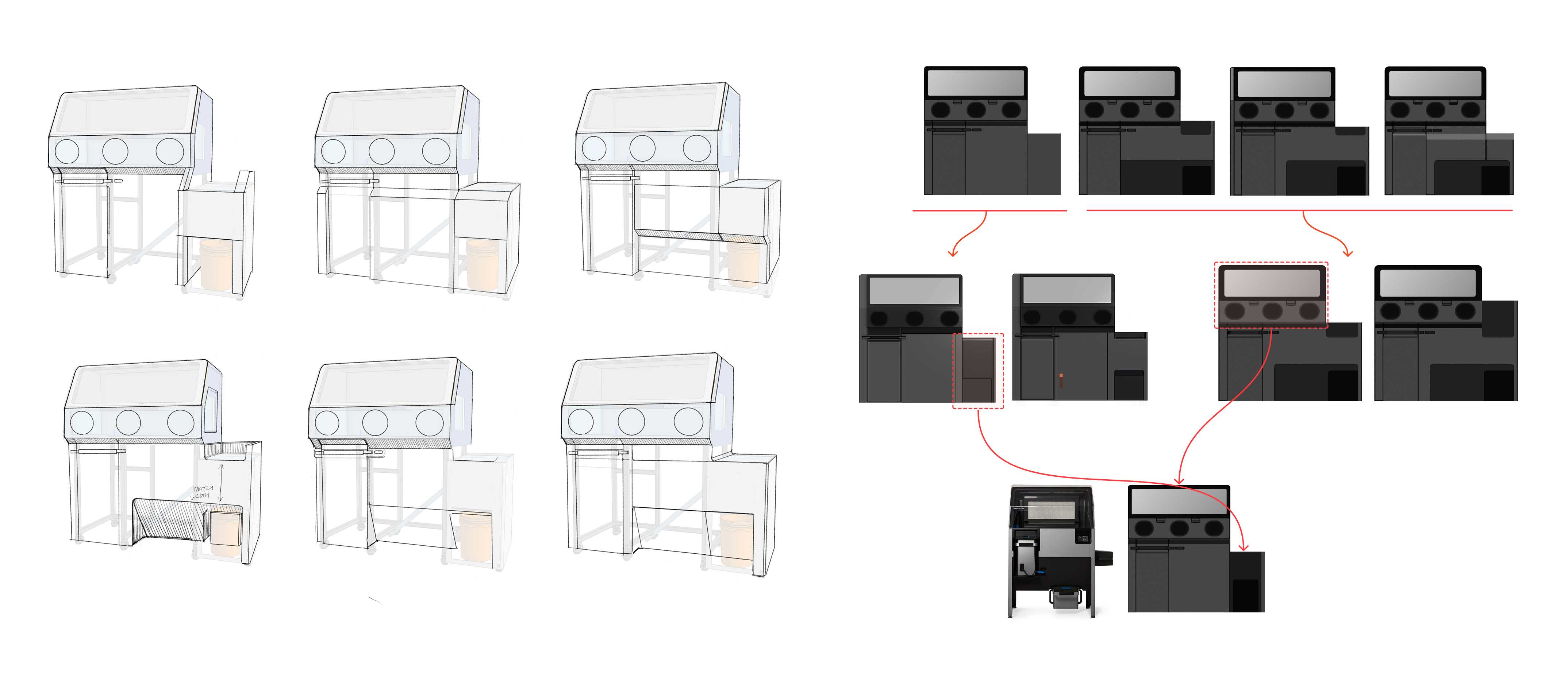
Enclosed Design Iternation

Exposed Side Iternation

Selected

Shell Design Evolution
I iteratively refined the shell architecture based on workflow feedback from real operating environments. The exposed side-shell design was ultimately chosen to maximize parts-bin accessibility, accommodating diverse user behaviors while improving overall workflow efficiency.
* Key design iterations shown; CAD renderings and detailed refinements omitted.

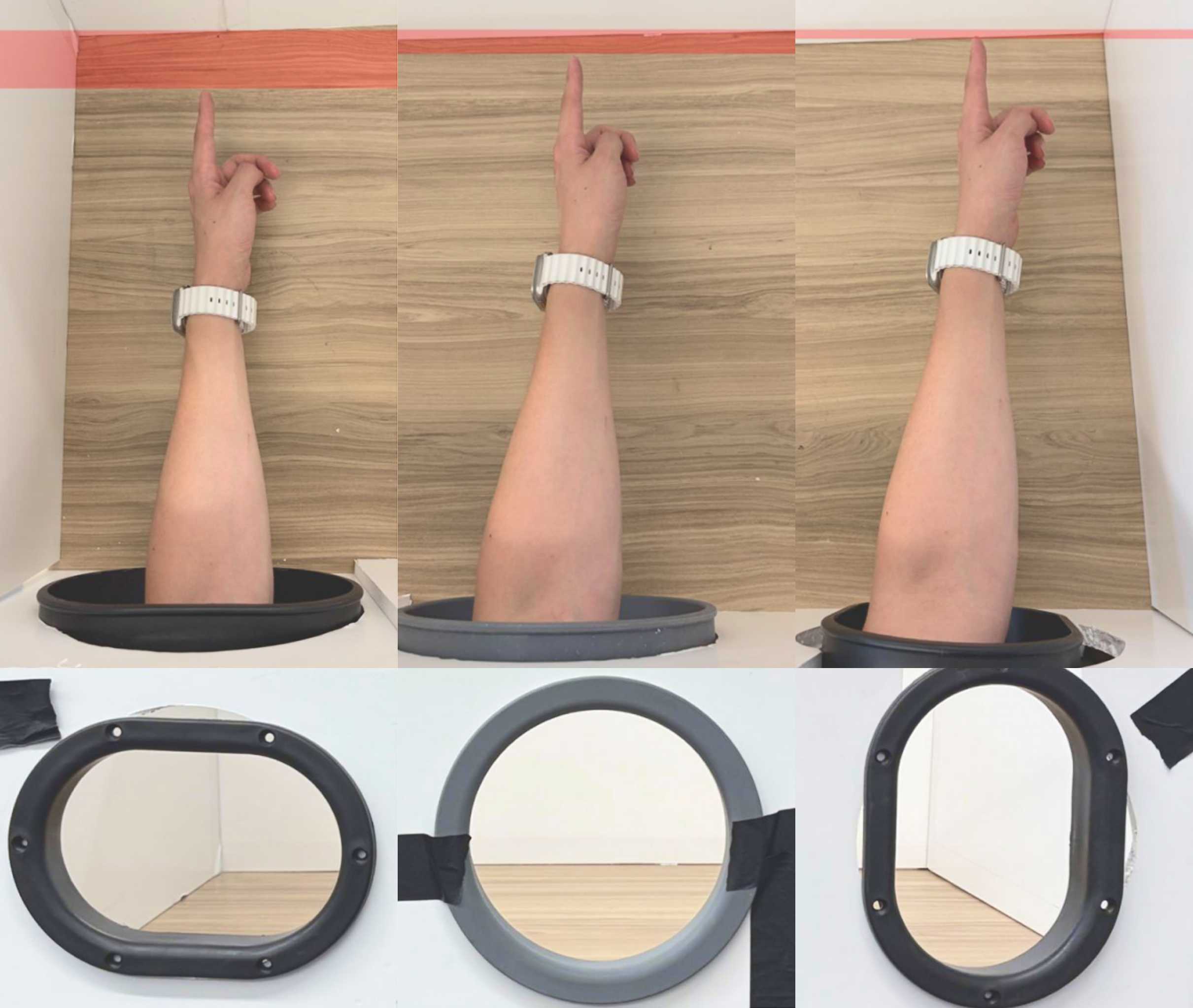
Glove Ring Design

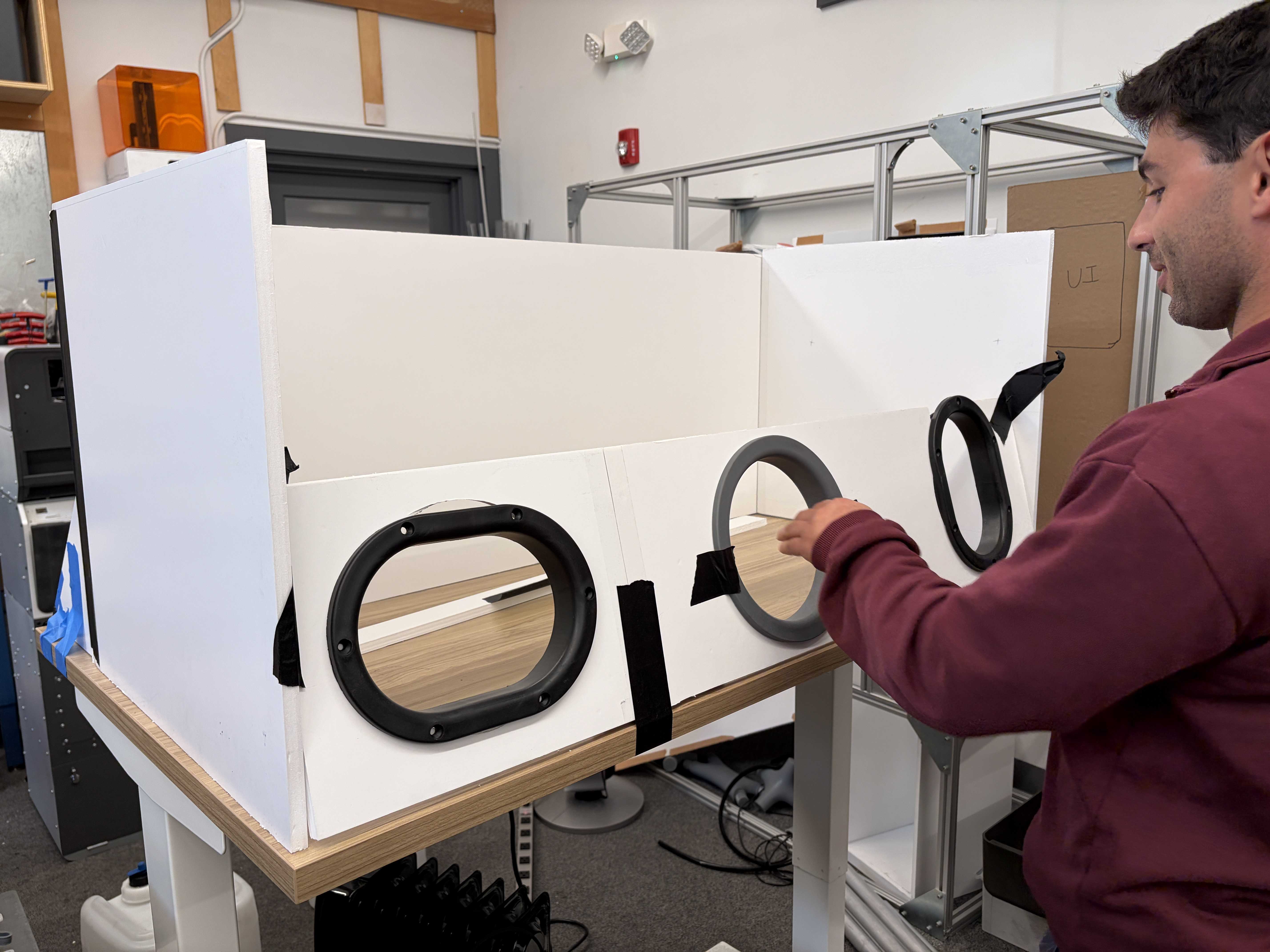
I explored and tested multiple glove ring designs to maximize user mobility and accessibility across a wide range of body dimensions.

Control Method Exploration

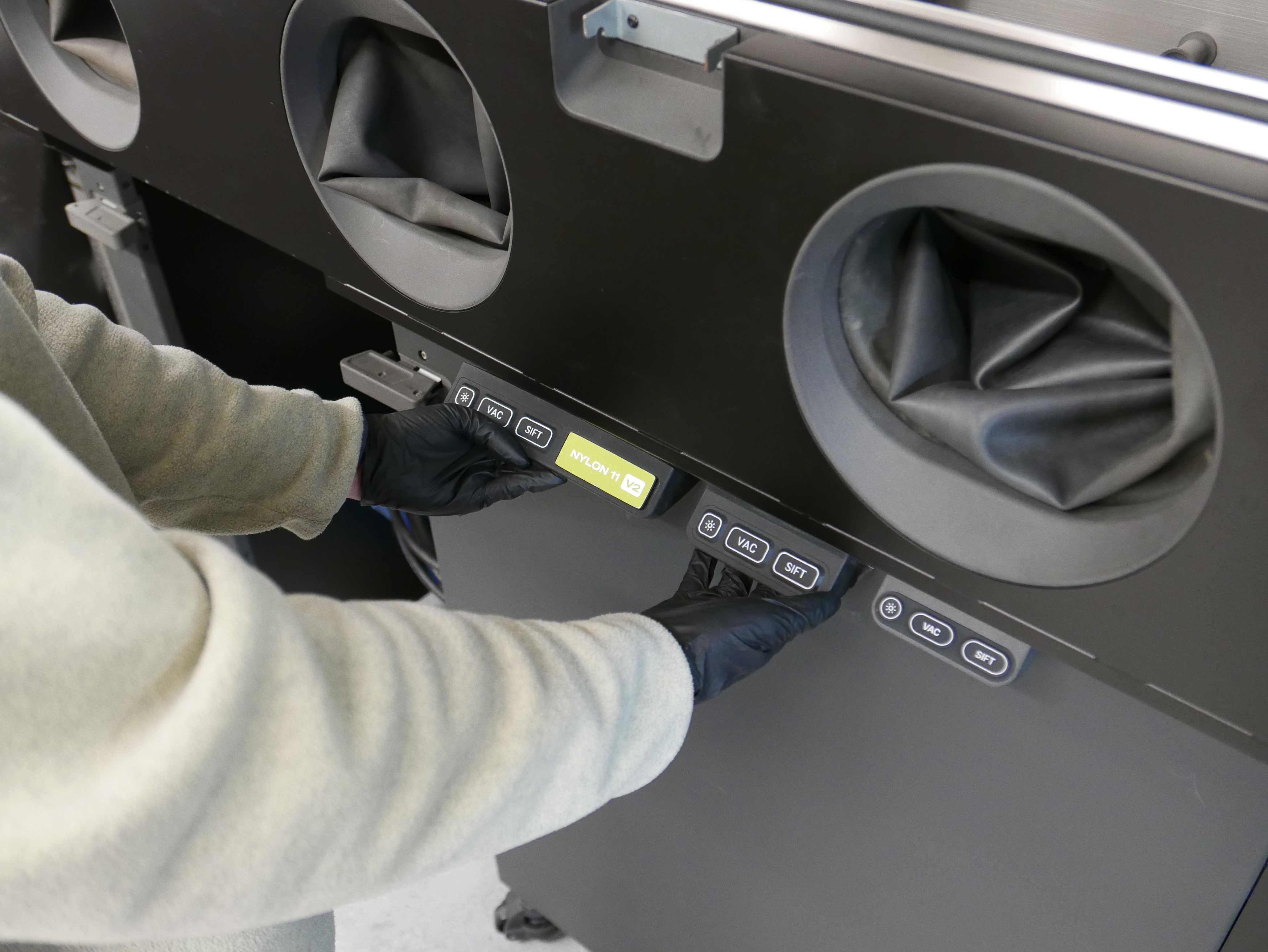
I evaluated internal button and foot pedal concepts to identify the most intuitive interaction. User testing showed that controls within the user’s field of view improved discoverability and feedback.

External Control Development

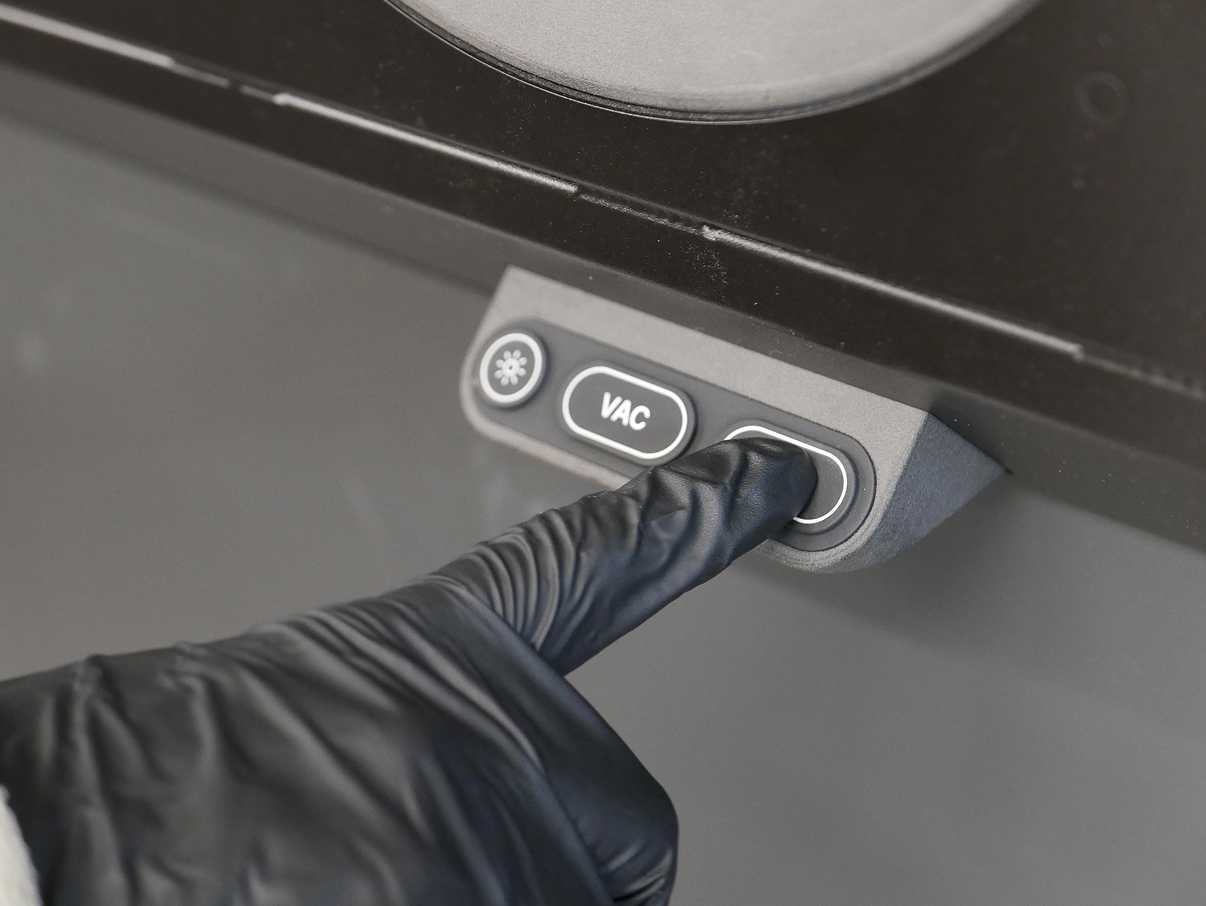
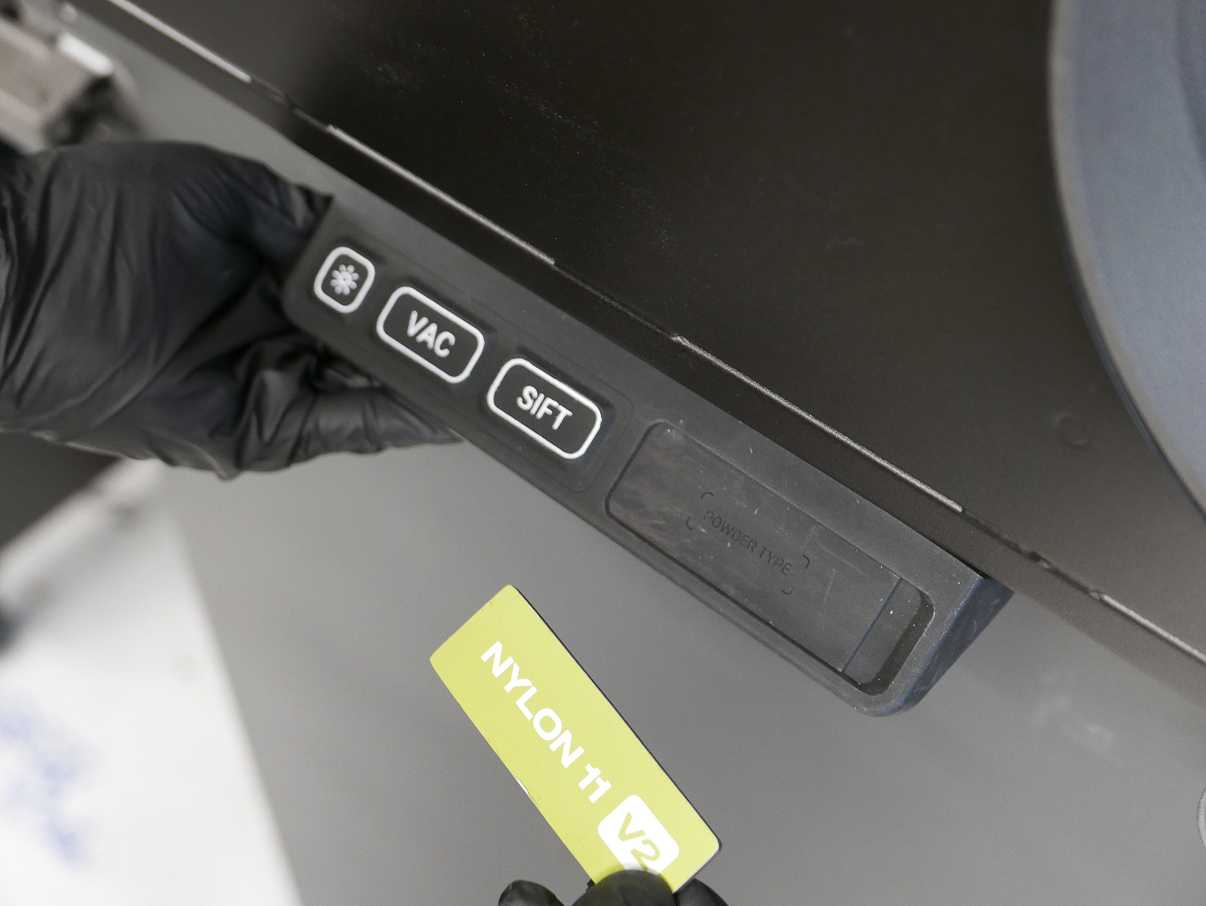
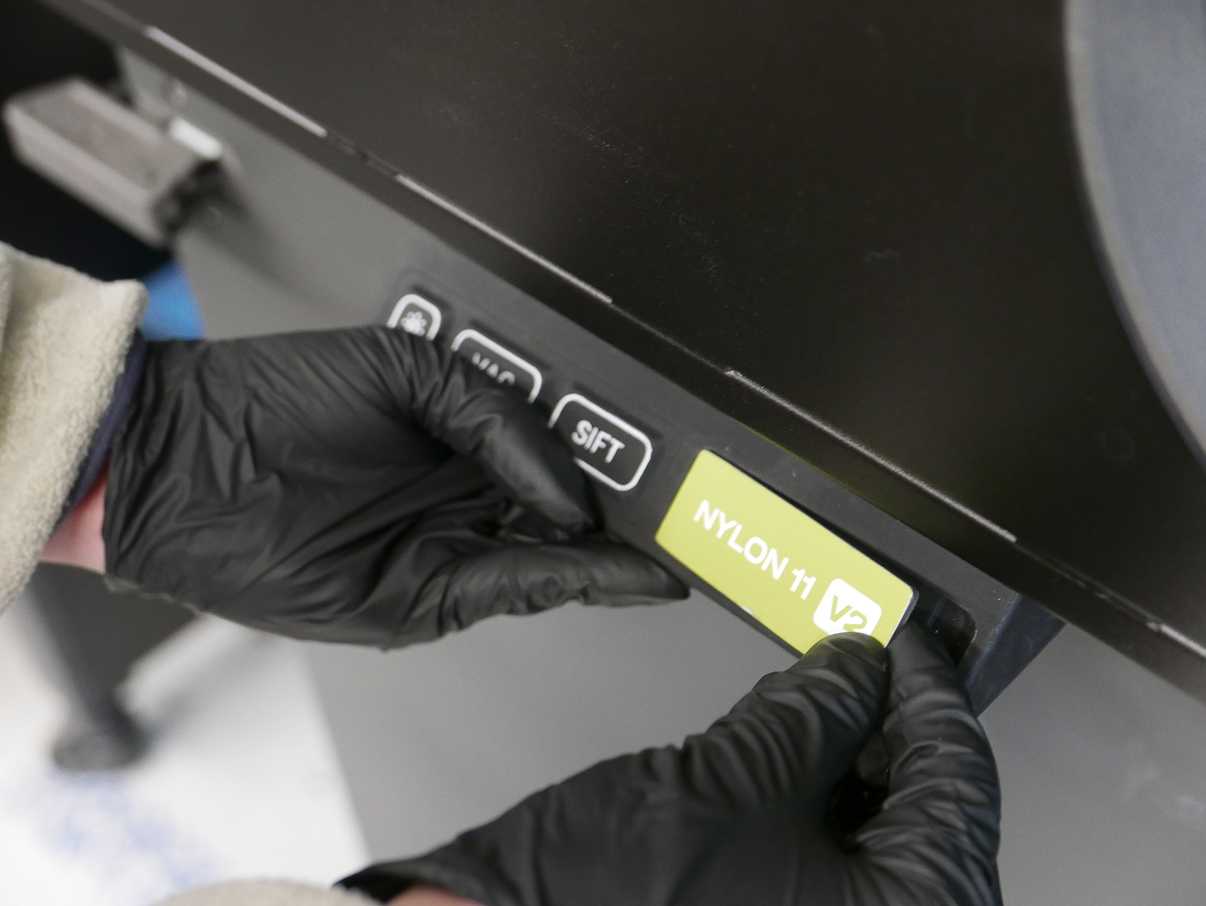
I designed the button layout around the most frequently used functions while maintaining a cohesive product design language.
Sift X1 - INTERNAL

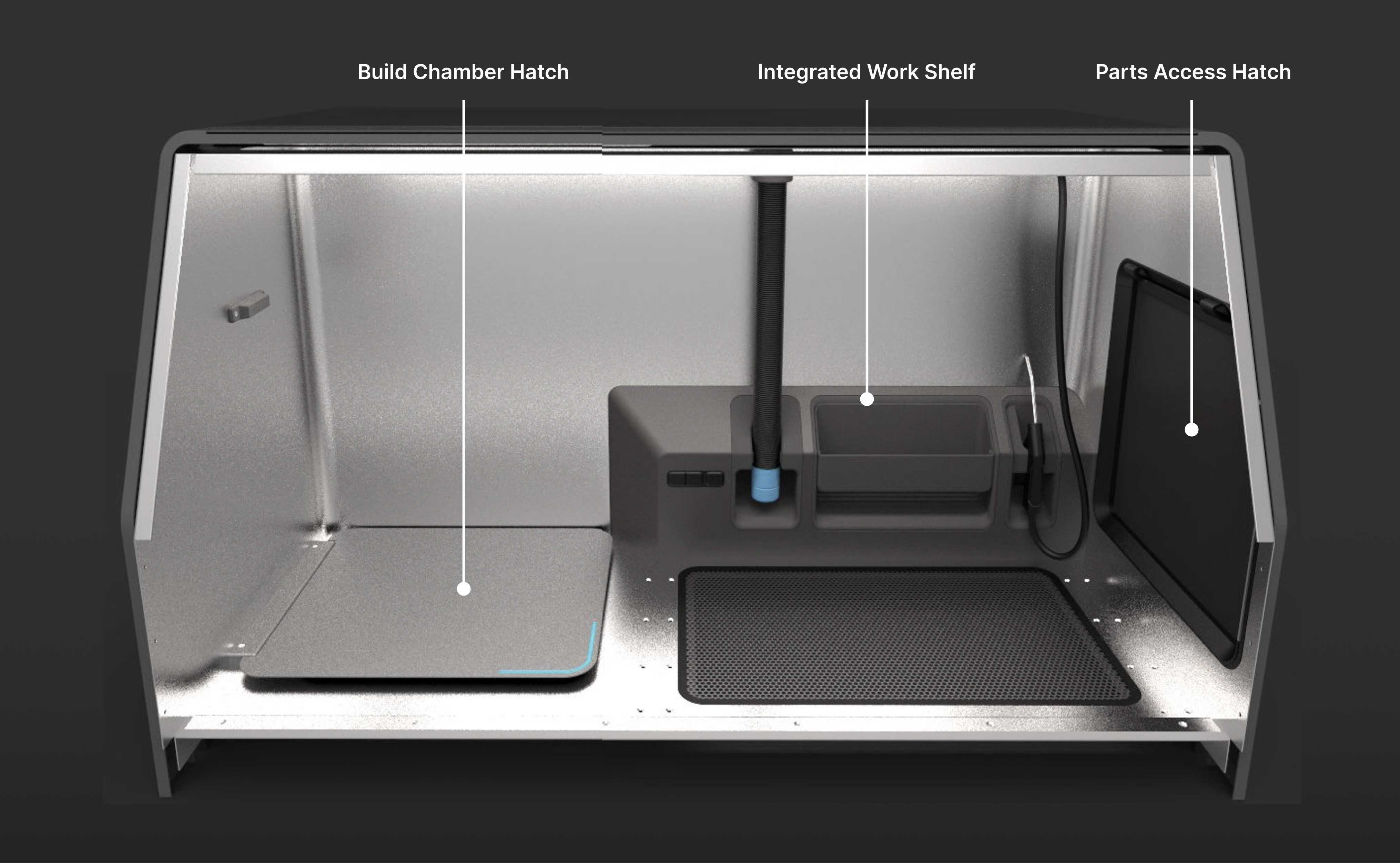
Internal Design Overview

Designed and optimized the internal architecture for accessibility, serviceability, material flow, and manufacturing integration.

* Detailed development of the BC hatch, parts bin hatch, mounts, and other production features has been omitted.

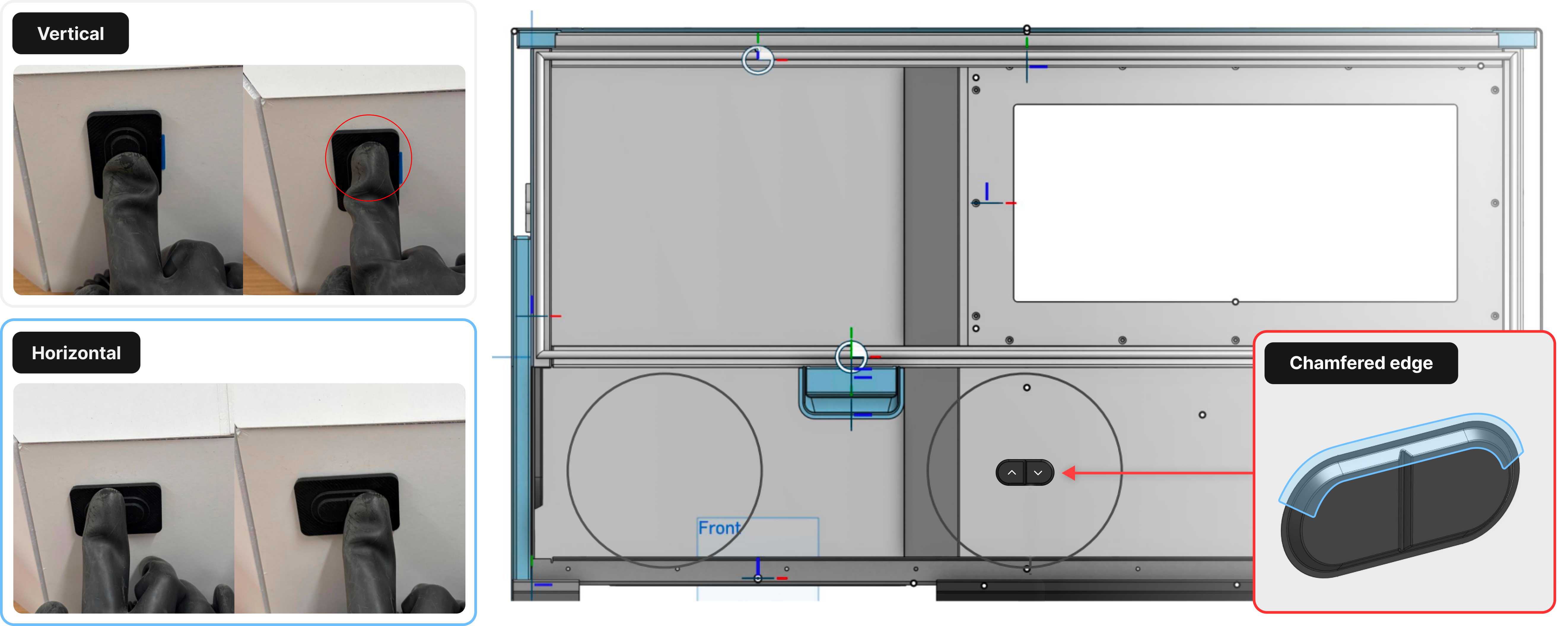
Internal Control Refinement

I refined the button layout to reduce accidental interference while wearing gloves. Chamfered edges help prevent powder accumulation and simplify cleaning.

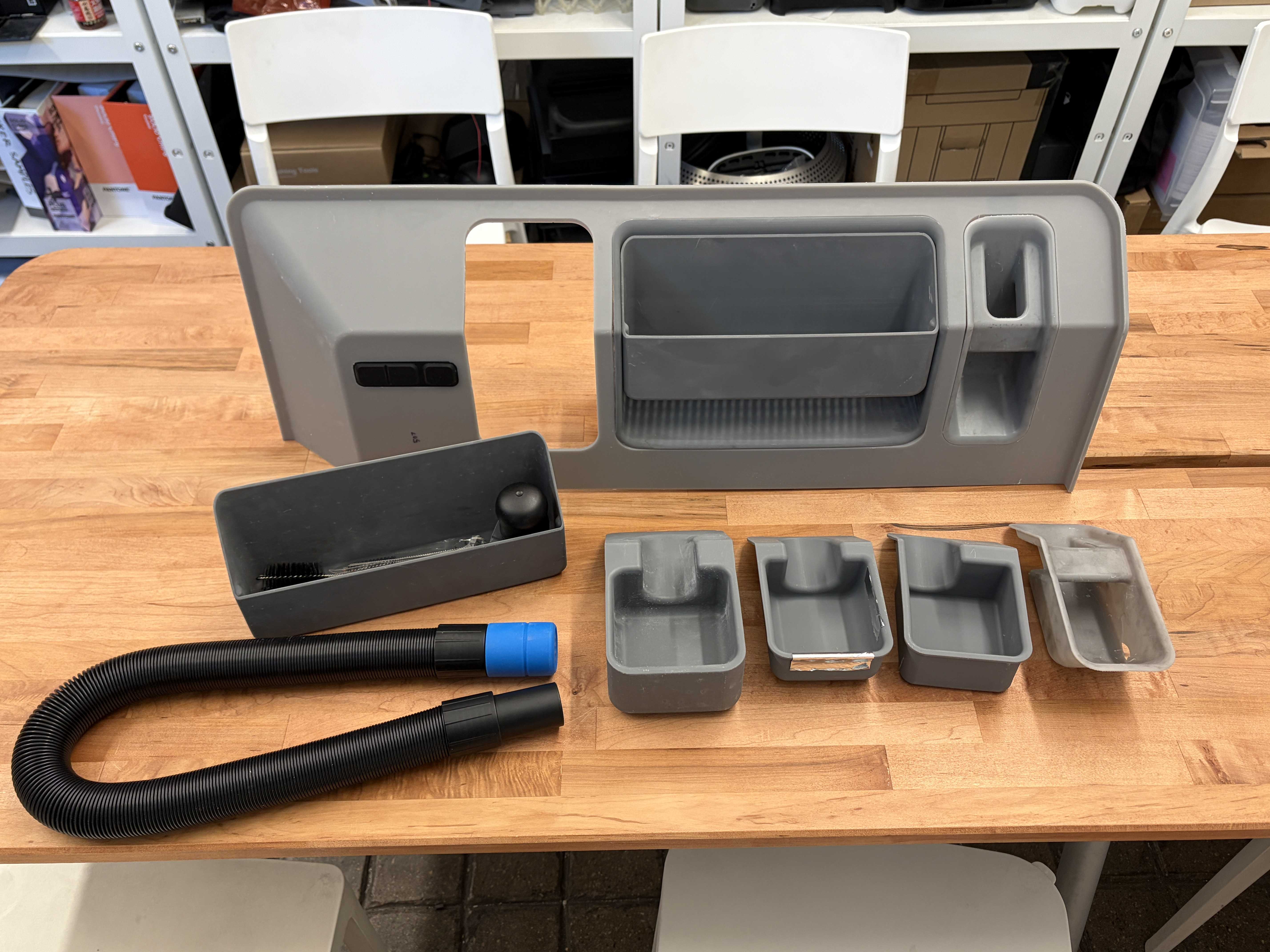
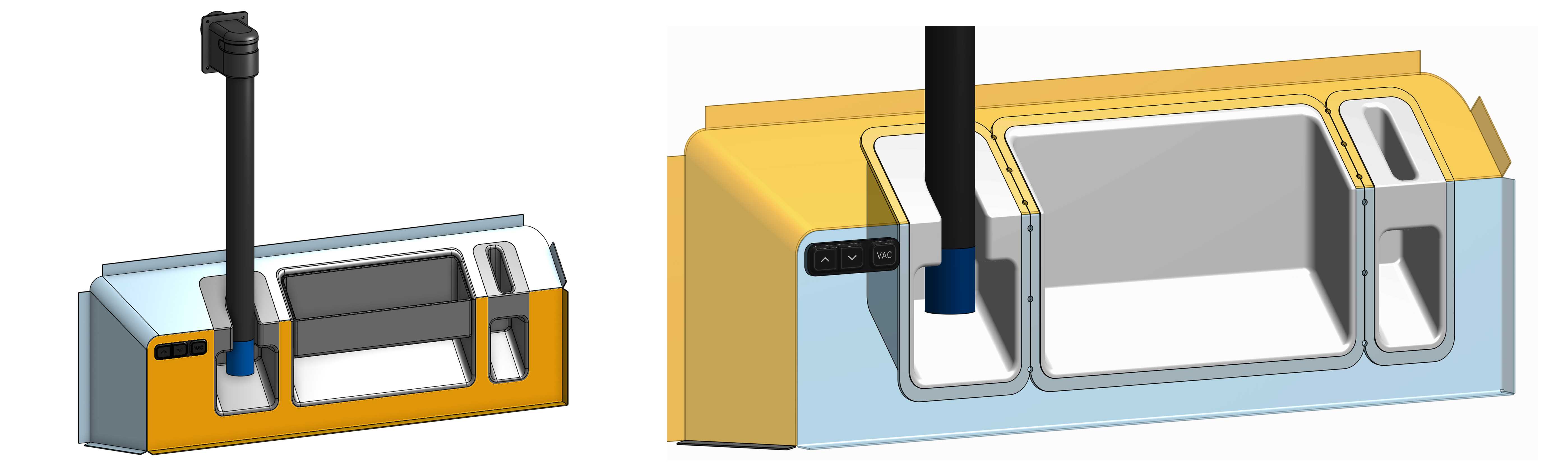
Integrated Work Shelf System

Integrated a work shelf into the machine architecture, improving organization and accessibility of frequently used tools while maintaining a cohesive product experience.

Detachable Toolbox

Mockup testing revealed that parts became difficult to see once they fell into the storage area. Observing that users naturally used the tool area to sweep and collect parts, I developed it into a multifunctional storage design.

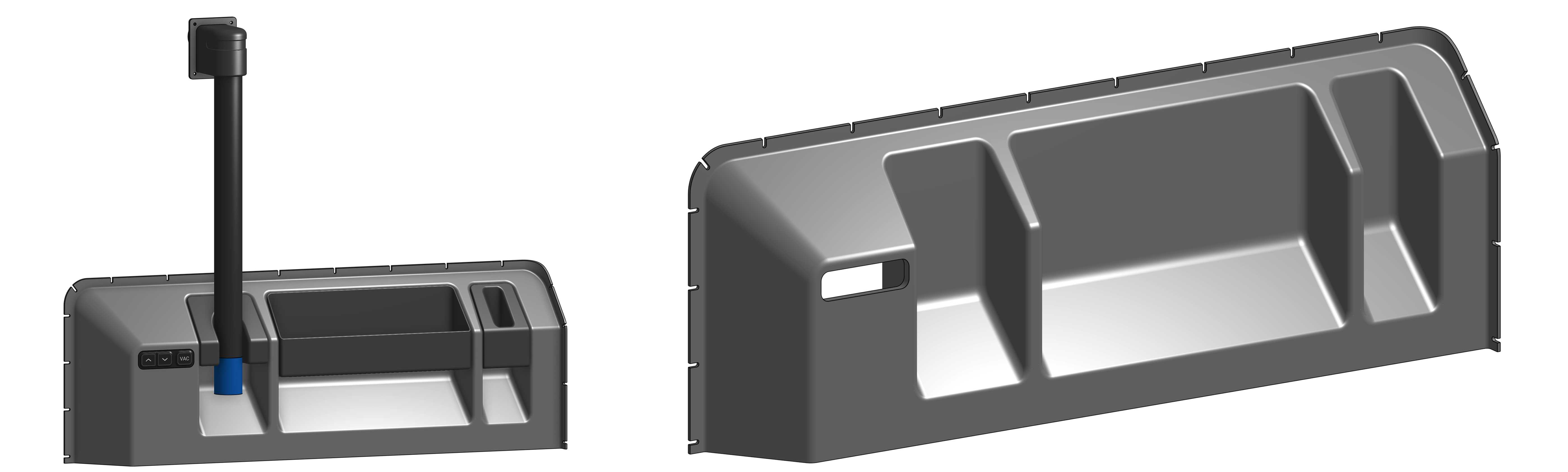
Toolbox Mounting Development

To improve rigidity and reduce warping, I added reinforcement ribs and designed drafted slotted rails that guide the part into place for intuitive, low-effort mounting.

V1

Thermoformed

V2

Sheet Metal

DFM for Real-World Operation

Transitioned the thermoformed DFM geometry to sheet metal based on real-world operating conditions, preserving the original form language while improving heat resistance, assembly, and tolerance control.
contact